
Emergency Dental Services Peoria AZ: Compassionate Care When You Need It Most
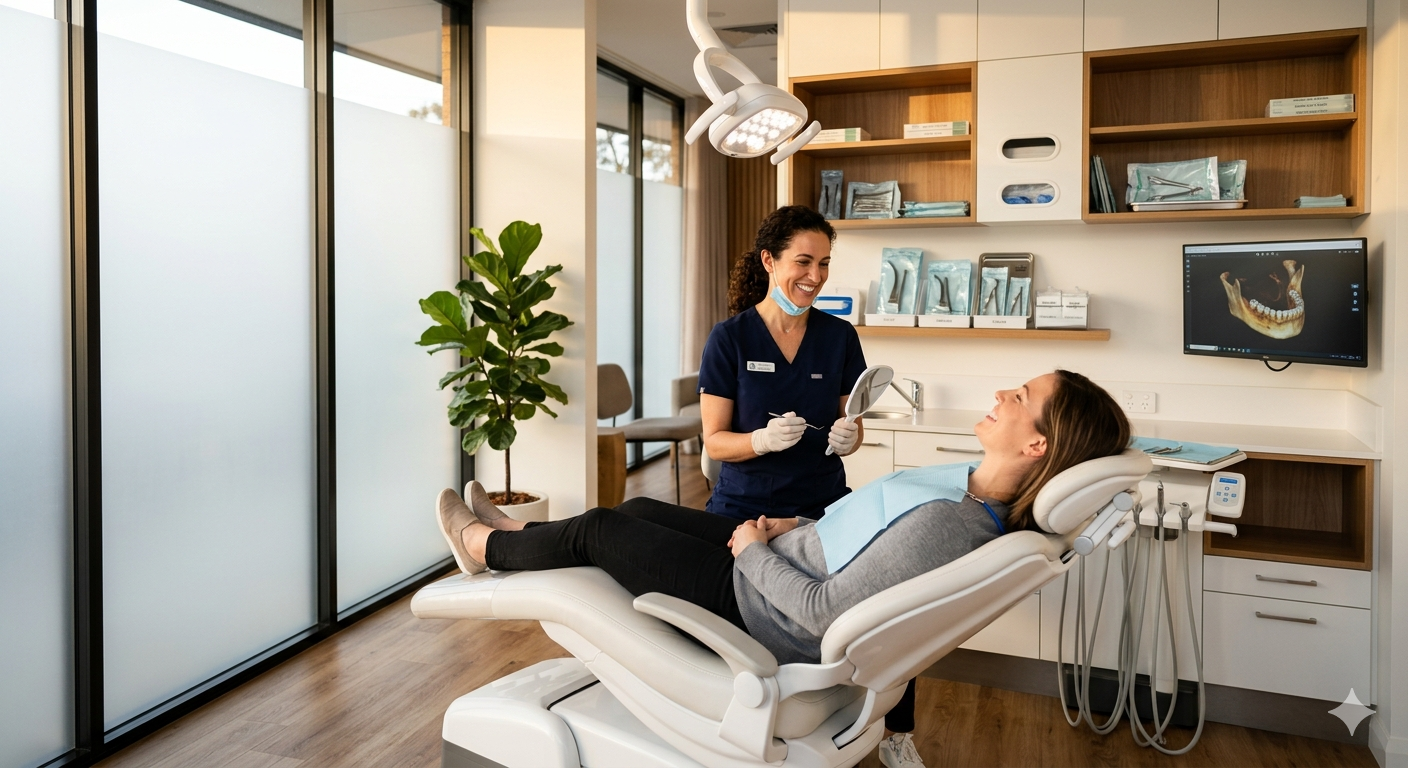
When a dental emergency strikes in Peoria, AZ, knowing where to turn can make all the difference. Emergency dental services in Peoria provide fast, expert care for issues like severe tooth pain, knocked-out teeth, and broken restorations. These services ensure patients get the relief they need without waiting for a routine appointment.
Many local dentists understand that dental emergencies can happen at any time. They offer flexible hours and use modern techniques to ease pain and protect long-term oral health. Whether it’s a sudden injury or intense discomfort, emergency care focuses on comfort and quick solutions.
People often hesitate to seek emergency dental help out of concern or uncertainty. But reaching out early can prevent complications and reduce treatment time. It’s reassuring to know that trusted professionals are just a call away, ready to guide patients through urgent dental problems with care and clarity.
Recognizing Dental Emergencies
Knowing when a dental issue needs immediate attention can save pain, avoid complications, and protect your smile. Certain signs clearly demand prompt care, while others might be less urgent.
Common Symptoms Requiring Immediate Care
Severe tooth pain, especially if it wakes someone at night, often signals an infection or injury needing urgent treatment. Swelling in the face or gums can indicate a spreading infection that must be addressed quickly to avoid serious health risks.
Other urgent symptoms include a knocked-out tooth, broken fillings or crowns causing sharp edges, continuous bleeding after an injury, or sudden dental trauma. Difficulty breathing or swallowing alongside dental pain requires emergency medical attention right away.
Situations That Can Wait Versus Those That Cannot
Not all dental discomfort needs a rush to the office. Mild tooth sensitivity, a loose dental crown without pain, or minor mouth sores can usually wait for a scheduled visit.
In contrast, conditions like uncontrolled bleeding, intense infection signs (pus, swelling spreading), or a dislodged tooth require immediate dental care. Delaying these could lead to lasting damage or infection spread.
If unsure, it’s better to contact a dentist for advice rather than waiting. Early action can mean easier treatment and faster relief.
What to Expect During an Emergency Dental Visit
When a dental emergency occurs, knowing what happens next can ease anxiety. The visit typically moves quickly through evaluation, treatment, and comfort measures to address pain and damage effectively.
Step-by-Step Guide to the Appointment
First, the dental team gathers details about the injury or symptoms, including when and how it happened. This helps prioritize the treatment steps.
Next, the dentist performs a focused exam, often supported by X-rays, to identify fractures, infections, or other issues. They assess pain levels to determine urgency.
Once the problem is understood, the dentist explains the treatment options clearly and recommends the best immediate care. This might involve stabilizing a tooth, extracting damaged parts, or prescribing medication.
Finally, the team schedules follow-up visits if further treatment, like root canals or crowns, is needed. Patients are given aftercare instructions to manage discomfort and protect healing.
Modern Techniques to Ease Discomfort
Emergency dental practices use several ways to reduce pain quickly. Topical numbing gels are applied first to dull the area and make injections less noticeable.
Local anesthesia is the main method to block pain during procedures. Newer anesthetics work fast and last until the treatment is complete.
For anxious patients, sedation options such as nitrous oxide (laughing gas) or oral sedatives help keep them calm and comfortable throughout the visit.
Pain-relief medications, both prescribed and over-the-counter, are recommended to control swelling and discomfort after treatment finishes. Technology also allows minimally invasive procedures, reducing recovery time and trauma.
Types of Dental Emergencies Treated in Peoria
Emergency dental care in Peoria focuses on relieving pain, preventing further damage, and restoring function quickly. Common emergencies involve urgent treatment for infection and trauma to the teeth.
Severe Toothaches and Infection
Severe toothaches often signal an underlying infection or decay that requires immediate attention. Patients typically experience persistent, throbbing pain, sensitivity to hot or cold, and sometimes swelling around the affected tooth.
Infections can spread rapidly, risking more serious health issues. Treatment may include draining abscesses, prescribing antibiotics, or performing root canals to save the tooth and reduce pain. Dentists in Peoria emphasize quick intervention to avoid complications.
If you notice intense discomfort or swelling, it’s critical to seek emergency care to control infection and start relief right away.
Broken or Knocked-Out Teeth
Broken or knocked-out teeth need prompt dental treatment to maximize the chance of saving them. A clean break or chip can often be repaired with bonding, crowns, or veneers depending on severity.
For knocked-out teeth, preserving the tooth properly—such as placing it in milk—and reaching the dentist within an hour increases the chance of successful reimplantation. Emergency dentists in Peoria address trauma by stabilizing the tooth and managing pain.
Prompt care limits the risk of damage to surrounding teeth and tissue, while restoring appearance and function quickly.
How to Handle Dental Emergencies at Home
When a dental emergency happens, quick and calm action can make a big difference. Knowing the right steps to take helps reduce pain and protect the teeth until professional care is available.
Immediate First Aid Tips
The first priority is to stop any bleeding. Have the person gently bite down on a clean cloth or sterile gauze for 10-15 minutes. Avoid using tissues, as they can leave fibers behind.
If a tooth is knocked out, handle it by the crown (the top part), never the root. Rinse it gently with water if dirty. Try to place the tooth back into the socket, pushing it in carefully. If that’s not possible, store the tooth in a glass of milk or saline solution to keep it moist.
For lip or tongue cuts, clean the area with water and apply gentle pressure with a clean cloth to control bleeding. Avoid scrubbing or using harsh mouthwashes.
Reducing Pain and Preventing Further Injury
Over-the-counter pain relievers like ibuprofen can help manage pain and reduce swelling. Avoid aspirin since it thins the blood and may increase bleeding.
Use a cold compress on the outside of the cheek near the injury to minimize swelling and numb the area. Apply for 10-15 minutes at a time with breaks in between.
Avoid chewing on the injured side and stick to soft foods. Do not use any home remedies like applying heat or inserting any objects into the wound.
Keeping the mouth as clean as possible helps prevent infection. Encourage gentle rinsing with warm salt water after the first 24 hours but avoid vigorous swishing, as it may aggravate tissue.
When in doubt, contact an emergency dental provider in Peoria, AZ, right away for guidance.
Choosing the Right Dental Practice in Peoria
When seeking emergency dental care, it’s essential to find a practice that combines skill, compassion, and accessibility. Key factors include their reputation, experience, and how they handle urgent situations to provide quick relief.
Qualities of a Trustworthy Emergency Dentist
A reliable emergency dentist in Peoria should have specialized training in handling dental trauma, severe pain, and urgent oral infections. Look for dentists who maintain clear communication, explain procedures calmly, and prioritize patient comfort during stressful moments.
Credentials matter—check for licenses, certifications, and positive patient reviews. Practices that use modern technology, such as digital X-rays and sedation options, enhance diagnosis speed and reduce discomfort. Friendly staff who offer genuine empathy can ease anxiety, making urgent visits less intimidating.
Availability and After-Hours Care
Emergencies rarely happen during office hours, so access to after-hours care is critical. The right practice offers extended evenings or weekend appointments and a straightforward way to reach a dentist by phone.
Some Peoria clinics provide walk-in emergency slots or direct lines for true emergencies. Confirm if they handle emergencies in-house or refer patients elsewhere. Prompt treatment within hours of injury or severe pain can prevent complications, so availability directly affects outcomes and peace of mind.
Benefits of Prompt Emergency Treatment
Getting quick care during a dental emergency can make a big difference in outcomes. Immediate attention helps protect teeth from further damage and avoids more complex problems down the line.
Preserving Your Smile and Oral Health
Rapid treatment often saves natural teeth that might otherwise be lost. For example, a knocked-out tooth can sometimes be replanted successfully if seen by a dentist within an hour. This not only keeps the smile intact but also prevents the need for costly replacements like implants or bridges.
Early care also reduces pain and swelling, making the healing process smoother and more comfortable. Prompt cleaning and repair of broken teeth prevent infection and damage to surrounding gums and bone.
Preventing Complications
Delaying emergency dental care increases the risk of serious infections. An untreated abscess or untreated crack can spread bacteria to other parts of the body, causing more severe health issues.
Timely visits can stop minor problems from becoming emergencies. For instance, a small cavity caught early could avoid turning into a painful root canal or tooth extraction. Quick interventions protect oral health and reduce future treatment costs.
Prevention and Long-Term Dental Wellness
Maintaining dental health requires simple habits and professional care that can significantly reduce the chances of emergencies. Establishing these routines helps protect teeth and gums from damage and discomfort over time.
Everyday Habits to Avoid Emergencies
Daily dental care is key to avoiding urgent visits. Brushing twice a day with fluoride toothpaste removes plaque and lessens the risk of cavities. Flossing daily clears food and bacteria stuck between teeth, preventing gum disease.
Avoid chewing hard objects like ice or popcorn kernels, which can crack or chip teeth. Using a mouthguard during sports protects against injury. Limiting sugary snacks and drinks reduces acid attacks that wear down enamel.
If discomfort or sensitivity occurs, addressing it early with a dentist can prevent problems from worsening. Small changes in these everyday habits create a strong defense against dental emergencies.
Scheduling Regular Check-Ups for Peace of Mind
Routine dental exams allow early detection of potential issues before they turn urgent. Dentists can spot small cavities, gum inflammation, or bite problems during these visits.
Professionals also provide cleanings that remove tartar buildup unreachable by brushing. These appointments help maintain overall oral health and catch risks specific to a patient’s situation.
Most dentists recommend check-ups every six months, but frequency may increase if you have ongoing dental concerns. Scheduling regular visits builds trust with your provider and offers reassurance by keeping your smile healthy and monitored.
Next Steps and Getting in Touch
If someone experiences a dental emergency in Peoria, AZ, the first step is to remain calm and assess the situation. Simple actions like rinsing the mouth gently or applying a cold compress can help ease discomfort.
It’s important to contact an emergency dental provider as soon as possible. Many clinics offer same-day appointments or after-hours services to ensure quick relief.
Here’s how to prepare before calling:
- Have details about the injury or pain ready
- Know your dental insurance information
- Be ready to describe symptoms clearly
Most emergency dental offices in Peoria provide multiple ways to get in touch: phone calls, online booking, and sometimes live chat on their websites. Checking their hours and services ahead can save time during urgent moments.
When calling, patients can expect friendly staff who will guide them through the process and help schedule the earliest available visit. They may also give advice on temporary care until the appointment.
Taking these steps helps people feel supported and in control during stressful times. Encouraging a quick call to a trusted local dentist can make all the difference in preserving dental health and comfort.
Frequently Asked Questions
Emergency dental situations can be stressful. Knowing when to act and what to expect helps patients get the right care quickly. Managing pain, recognizing serious symptoms, and understanding treatment options are vital in urgent cases.
What symptoms mean I should seek urgent dental care right away?
Severe tooth pain that doesn’t improve with over-the-counter painkillers is a key warning sign. Swelling of the face or jaw, bleeding that won’t stop, and a tooth that’s been knocked out or fractured also require prompt attention.
If you experience fever alongside tooth pain or notice pus around a tooth, these may indicate an infection that needs immediate care.
If I go to the emergency room for a tooth problem, what can they actually do for me?
ER doctors can provide pain relief and treat infections with antibiotics if necessary. However, they typically cannot perform dental repairs like fillings, root canals, or extractions.
They focus on stabilizing your condition and may refer you to a dental specialist for follow-up treatment as soon as possible.
How can I manage severe tooth pain or swelling safely until I can be seen by a dentist?
Rinsing your mouth gently with warm salt water can reduce swelling and clean the area. Over-the-counter pain relievers like ibuprofen help control pain and inflammation but follow dosage instructions carefully.
Avoid applying aspirin directly to the gums as it can cause burns. Cold compresses applied to the outside of the cheek can also ease discomfort.
What should I do if I chip, crack, or knock out a tooth after an accident?
For a knocked-out tooth, rinse it gently with water without scrubbing, and try to place it back in the socket if possible. If not, keep it moist in milk or saliva and see a dentist immediately.
For chips or cracks, rinse your mouth and save any tooth fragments, then visit your dentist quickly to prevent further damage or infection.
How do dentists handle tooth infections, and when is an infection considered dangerous?
Dentists typically treat infections with antibiotics and draining the abscess if present. Root canal treatment or tooth extraction might be necessary to remove the infection source.
An infection is dangerous if it causes swelling that blocks the airway, spreads to other parts of the body, or causes high fever—it requires immediate medical attention.
What are my options if I need urgent dental care but I’m worried about the cost?
Many emergency dental clinics offer payment plans or sliding scale fees based on income. Some dental offices provide same-day appointments for emergencies and may accept dental insurance or offer financing options.
It’s important to communicate openly with your dental provider about your financial concerns to find a solution that ensures timely care.