
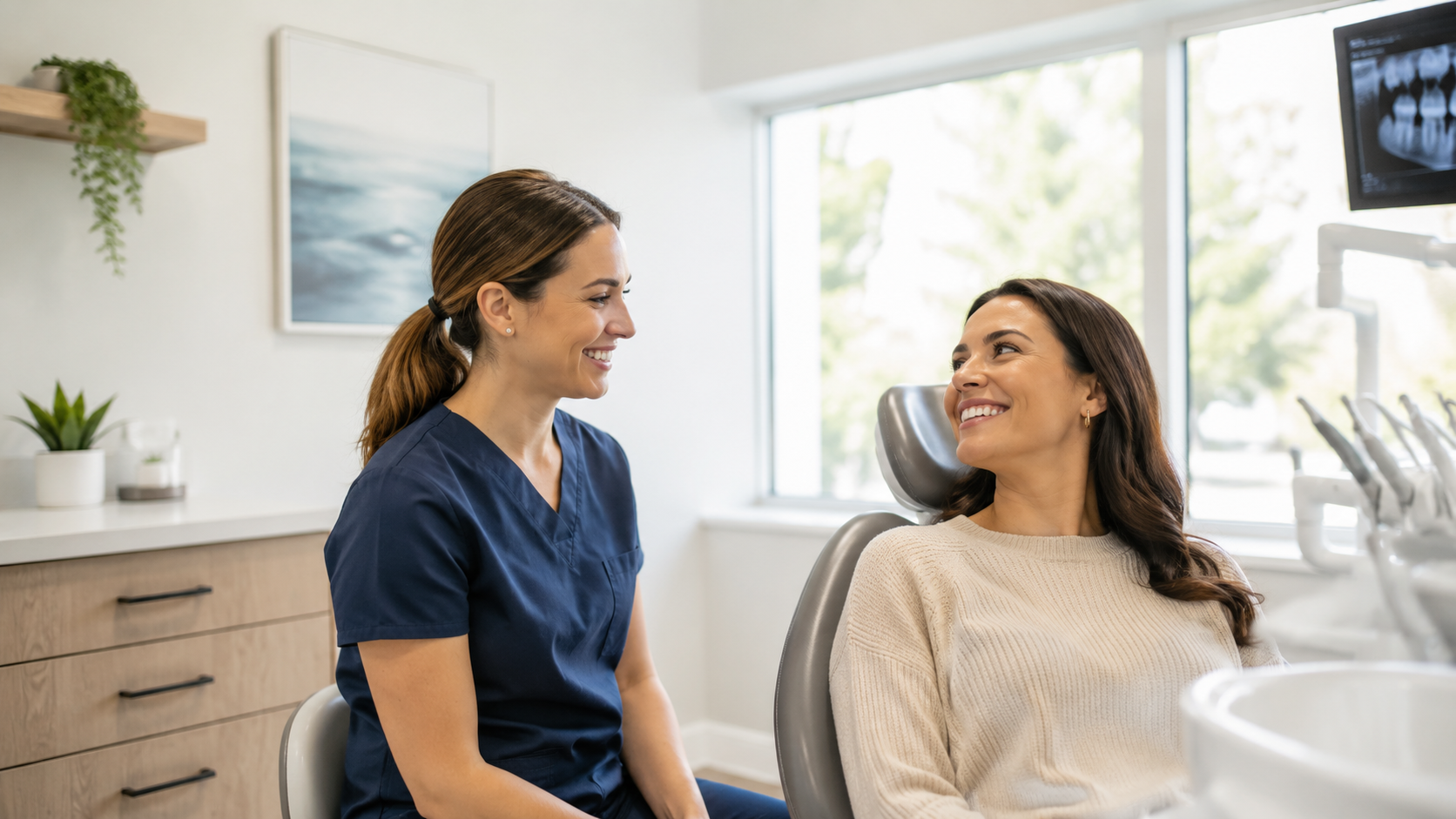
Many people wait to schedule a dental appointment until something hurts. The challenge is that dental problems often begin quietly. A small cavity, early gum inflammation, worn enamel, or a cracked filling may not cause noticeable symptoms right away. By the time pain appears, treatment may be more involved than it would have been with earlier care.
That is why preventive dentistry is so important. At a patient-focused practice such as Peoria Dentistry Healthy Mouth – AZ, the goal of regular checkups is not only to fix problems, but to help patients avoid them whenever possible.
Note: This article is for general education only and does not replace a dental exam, diagnosis, or personalized treatment advice. Anyone with pain, swelling, bleeding gums, a broken tooth, or other oral health concerns should consult a licensed dental clinician.
Why Regular Dental Checkups Matter
A dental checkup is much more than “just a cleaning.” It is a preventive health visit designed to evaluate the teeth, gums, bite, existing dental work, and overall oral wellness. During these visits, the dentist and dental hygienist look for early signs of problems that patients may not notice at home.
Routine visits can help reduce the risk of tooth decay, gum disease, tooth loss, bad breath, and dental emergencies. They also give patients a comfortable setting to ask questions about sensitivity, whitening, grinding, dry mouth, cosmetic concerns, or changes in their smile.
For many people, the biggest benefit is peace of mind. Knowing that a professional has checked the mouth carefully can make it easier to stay on track with daily care and feel confident about long-term oral health.
Early Detection Can Make Dental Care Simpler
One of the most important reasons to keep up with dental checkups is early detection. Dental issues often develop in stages. When a dentist finds a concern early, patients may have more conservative treatment options available.
Cavities Often Start Small
A cavity begins when bacteria and acids weaken the enamel, the hard outer layer of the tooth. In the early stages, there may be no pain at all. A patient may chew, brush, and smile normally while decay slowly progresses.
During a checkup, the dental team can look for small areas of decay and recommend the right next step. In some cases, preventive strategies may help strengthen enamel. If a filling is needed, addressing it early may help preserve more natural tooth structure.
Gum Disease Can Be Quiet at First
Gum disease often begins with gingivitis, which may cause redness, tenderness, swelling, or bleeding during brushing and flossing. Some patients assume bleeding gums are normal, but they can be a sign that the gums need attention.
Without care, gum inflammation can progress and affect the bone and tissues that support the teeth. Regular dental checkups allow the team to measure gum health, remove buildup, and recommend changes before the condition becomes more serious.
Oral Changes Deserve Attention
Dental visits also include an evaluation of the soft tissues of the mouth, including the tongue, cheeks, gums, palate, and throat area. The dentist may look for sores, color changes, lumps, irritation, or other findings that should be monitored or evaluated further.
Not every change is serious, but professional evaluation helps patients avoid guessing. If something needs additional attention, the dental team can explain the next steps clearly.
Professional Cleanings Reach What Brushing Misses
Daily brushing and flossing are essential, but even great home care has limits. Plaque can harden into tartar, also called calculus, which cannot be removed with a toothbrush or floss. Once tartar builds up, it creates rough surfaces where more bacteria can collect.
A professional dental cleaning removes plaque, tartar, and surface stains from areas that are hard to clean at home. This is especially helpful around the gumline, between teeth, behind the lower front teeth, and around crowns, bridges, or other dental work.
Cleanings also give the hygienist an opportunity to offer practical tips. Sometimes a small change, such as adjusting the angle of a toothbrush or using a different flossing tool, can make daily care more effective and easier to maintain.
Regular Checkups Support Whole-Body Wellness
The mouth is connected to the rest of the body. Oral health and overall health can influence each other in many ways. Conditions such as diabetes, dry mouth, acid reflux, pregnancy-related hormonal changes, and certain medications can affect teeth and gums.
For example, dry mouth can increase the risk of cavities because saliva helps wash away food particles and neutralize acids. In a warm, dry climate like Arizona, patients may also notice dry mouth more often if they do not stay hydrated, breathe through the mouth, or take medications that reduce saliva flow.
Regular checkups help the dental team understand these factors and offer personalized recommendations. Patients are encouraged to share updates about medical conditions, medications, supplements, and changes in health so the dental team can provide safer, more informed care.
What Patients Can Expect During a Dental Checkup
Patients who have not visited the dentist in a while may feel unsure about what to expect. A modern dental checkup is designed to be thorough, respectful, and as comfortable as possible.
A Review of Health and Dental Concerns
The visit usually begins with a review of health history, medications, allergies, and any concerns the patient wants to discuss. This may include sensitivity, jaw discomfort, bleeding gums, chipped teeth, cosmetic goals, or anxiety about dental treatment.
Digital X-Rays When Needed
Dental X-rays may be recommended based on the patient’s needs, history, symptoms, and time since the last images were taken. X-rays help the dentist see areas that are not visible during a visual exam, such as between teeth, under fillings, and around the roots and bone.
A Comprehensive Exam
The dentist checks the teeth, gums, bite, jaw, and existing dental restorations. This exam may identify cavities, cracks, worn fillings, gum pockets, signs of grinding, or other concerns. If treatment is recommended, the dentist can explain the findings and options in plain language.
A Professional Cleaning
The hygienist removes plaque and tartar, polishes the teeth, and may provide flossing or home-care recommendations. Some patients may need a different type of cleaning if there are signs of gum disease, and the dental team can explain why.
How Often Should Patients Schedule Dental Checkups?
Many patients benefit from dental checkups about every six months. However, the best schedule depends on the individual. Some patients may need more frequent visits because of gum disease, a history of frequent cavities, dry mouth, orthodontic appliances, tobacco use, diabetes, or certain medical conditions.
Others with very stable oral health may still need regular preventive visits to maintain that stability. The dentist and hygienist can recommend a schedule based on the patient’s risk factors and current oral health.
The important point is consistency. Skipping visits for years can allow small issues to grow unnoticed. Staying on a routine gives patients more opportunities to prevent problems and make informed decisions early.
Comfort-Focused Care for Anxious Patients
Dental anxiety is common, and it should never be a reason to feel embarrassed. Many patients have had a difficult past experience, worry about discomfort, or feel nervous about what the dentist might find. A caring dental team understands this and works to make visits feel more manageable.
Patients can let the office know about anxiety before or during the appointment. Simple steps can help, such as explaining each part of the visit, taking breaks, using gentle techniques, and creating a calm environment. The more the dental team understands a patient’s concerns, the better they can support a positive experience.
For patients in North Peoria who have delayed care, the first visit does not have to be overwhelming. It can simply be a starting point: a conversation, an exam, and a clear plan for what comes next.
Why Preventive Care Can Help Manage Dental Costs
Regular dental checkups are also practical from a financial perspective. Preventive care may help patients avoid more complex dental needs later. While no dental visit can guarantee that problems will never happen, routine exams and cleanings can reduce risk and catch concerns when they are often easier to address.
For example, treating a small cavity is usually less involved than treating a tooth with deep decay, infection, or structural damage. Likewise, managing gum inflammation early may help patients avoid more advanced periodontal problems.
Patients with dental insurance often have preventive benefits that may apply to routine exams, cleanings, or X-rays, depending on the plan. Those without insurance can still ask about payment options, membership plans, or ways to prioritize care based on urgency and budget.
Regular Checkups Build a Long-Term Dental Relationship
Another benefit of consistent dental visits is familiarity. When the same dental team sees a patient regularly, they get to know what is normal for that person. They can track small changes over time, compare X-rays, monitor gum measurements, and understand the patient’s goals and preferences.
This relationship can make dental care feel less stressful and more personal. Patients are more likely to ask questions, mention concerns early, and follow through with preventive steps when they feel heard and respected.
At Peoria Dentistry Healthy Mouth – AZ, patients can expect a focus on education, prevention, and comfort. Regular checkups are a key part of helping individuals and families maintain healthier smiles through every stage of life.
Simple Habits That Support Checkups Between Visits
Dental checkups work best when paired with consistent home care. Patients can support their oral health between appointments by brushing twice daily with fluoride toothpaste, cleaning between teeth once a day, drinking plenty of water, and limiting frequent sugary snacks or drinks.
It also helps to replace toothbrushes or electric brush heads every few months, wear a recommended nightguard if grinding is a concern, and call the dental office when something changes. Sensitivity, swelling, bleeding, loose teeth, broken restorations, or pain should not be ignored.
Small daily choices add up. A few minutes of home care each day, combined with routine professional visits, can make a meaningful difference in long-term oral health.
Frequently Asked Questions
Are regular dental checkups really necessary if nothing hurts?
Yes. Many dental problems do not cause pain in the early stages. Regular checkups help the dental team find cavities, gum inflammation, cracks, worn dental work, and other concerns before they become more noticeable or more complex.
How often should someone in North Peoria schedule a dental checkup?
Many patients do well with visits every six months, but the right schedule depends on the person’s oral health, medical history, and risk factors. Patients with gum disease, frequent cavities, dry mouth, or certain health conditions may need more frequent care.
What if a patient has not been to the dentist in years?
The best next step is to schedule an exam without feeling embarrassed. Dental teams are used to helping patients restart care. The first visit can identify current needs, answer questions, and create a step-by-step plan.
Do dental cleanings hurt?
Most routine cleanings are comfortable. Patients with sensitive teeth, inflamed gums, or heavy tartar buildup may feel some tenderness. Letting the hygienist know about sensitivity helps the team adjust techniques and improve comfort.
Can regular checkups prevent all dental problems?
No dental routine can guarantee that problems will never occur. However, regular exams, professional cleanings, and good home care can significantly reduce risk and help detect concerns earlier.
What should patients bring to a first dental checkup?
Patients should bring a photo ID, dental insurance information if applicable, a list of medications, health history details, and any questions or concerns they want to discuss. Previous dental records or X-rays may also be helpful if available.
A Healthier Smile Starts With a Simple Visit
The importance of regular dental checkups in North Peoria, AZ comes down to prevention, comfort, and confidence. Routine visits help patients protect their teeth and gums, understand their oral health, and take action before small issues become bigger concerns.
Whether a patient is due for a six-month cleaning or has not seen a dentist in several years, it is never too late to take the next step. Peoria Dentistry Healthy Mouth – AZ welcomes questions and can help patients feel informed, supported, and comfortable about their dental care options.