
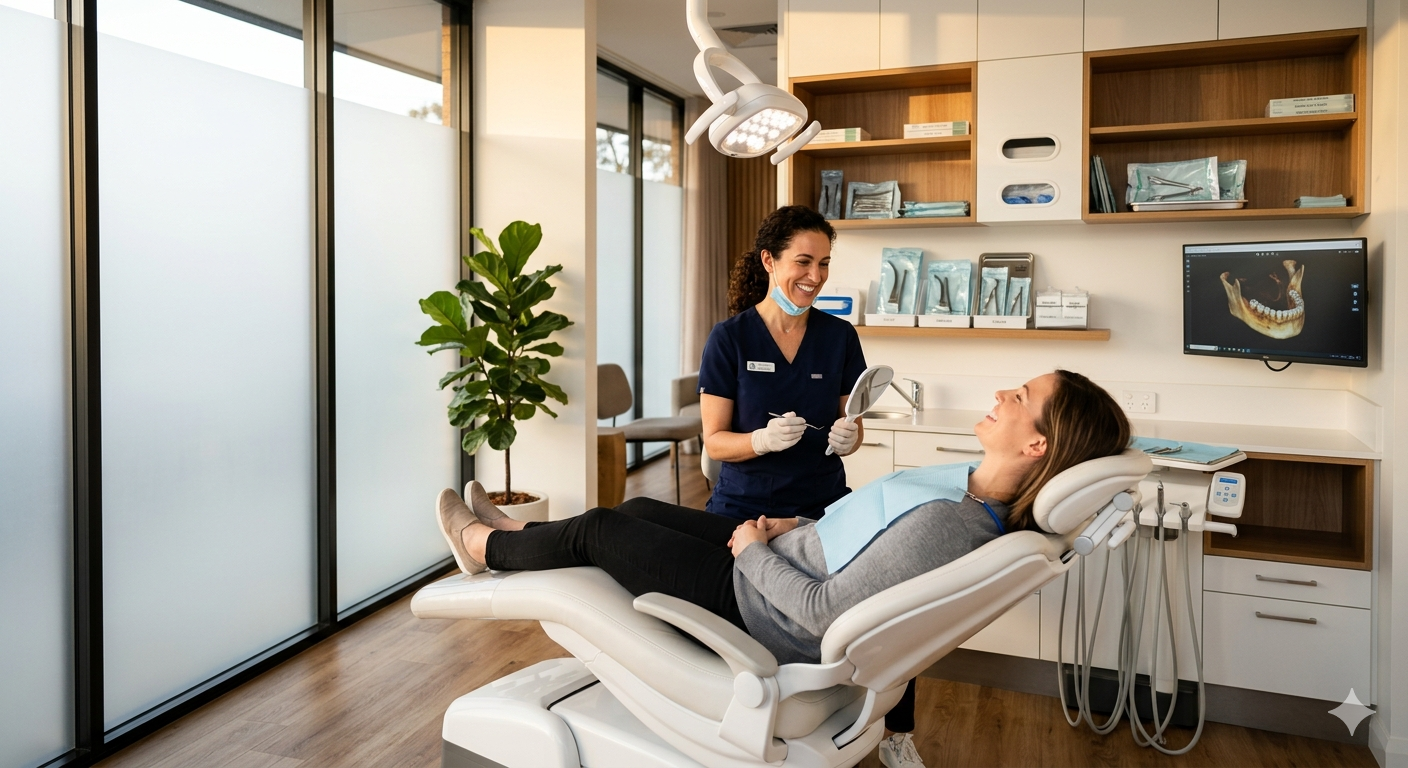
When a dental emergency happens, knowing where to turn in North Peoria, AZ, can make all the difference. An emergency dentist in North Peoria is available to provide fast, effective care for urgent dental issues like severe tooth pain, broken teeth, or accidental injuries. This quick access to professional help helps prevent complications and eases discomfort quickly.
Many people worry about the cost or urgency of dental emergencies, but local emergency dentists focus on patient comfort and use modern techniques to handle these situations efficiently. Whether it’s after-hours care or same-day appointments, these dentists are ready to support patients when they need it most.
Understanding what qualifies as a dental emergency and where to go can relieve stress and help patients get back to feeling their best. Patients are encouraged to reach out early if they experience sudden dental pain or trauma to ensure timely care.
What to Expect from an Emergency Dentist in North Peoria AZ
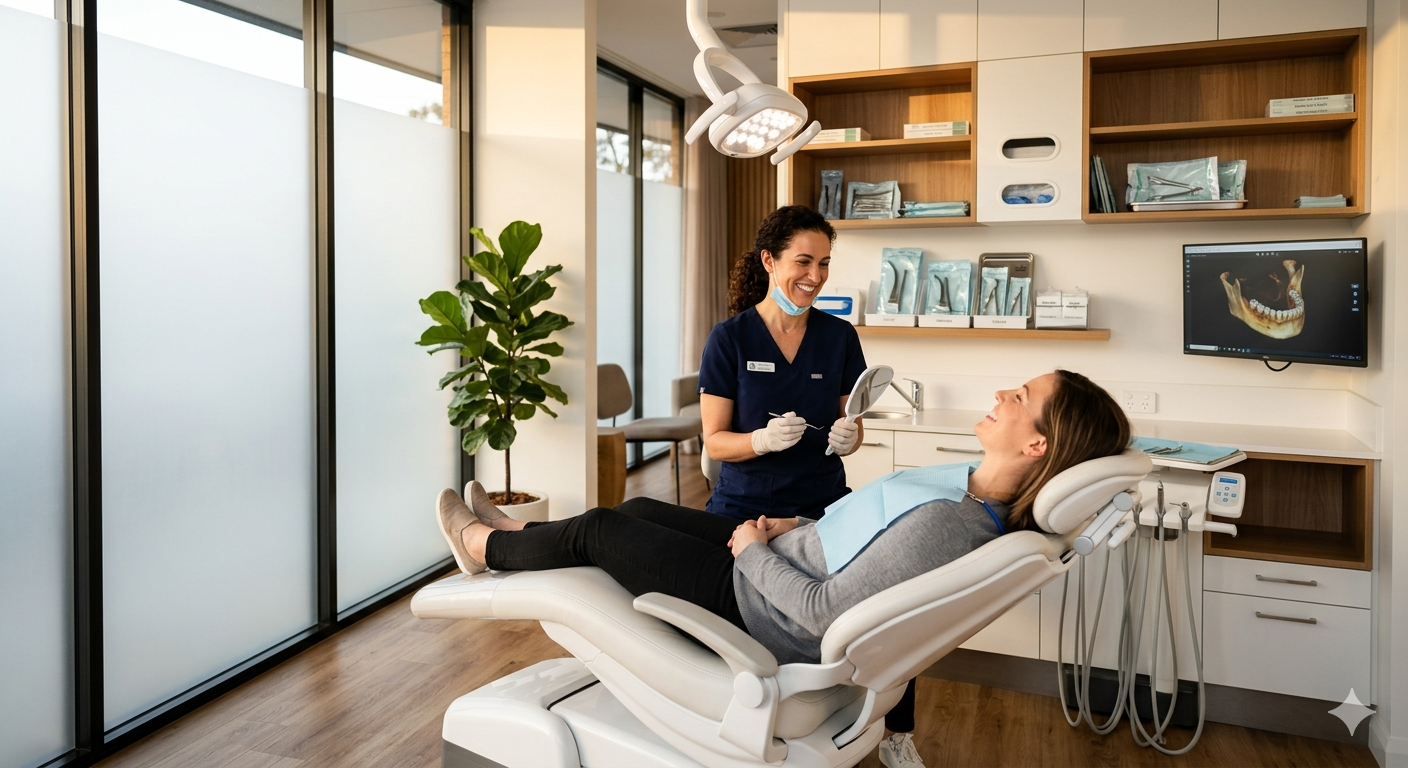
When a dental emergency strikes, quick and effective treatment matters most. Patients can expect professional care focused on pain relief, thorough evaluation, and comfort during every step of the process.
Immediate Care for Dental Emergencies
Emergency dentists in North Peoria prioritize prompt attention. Upon arrival, they assess the severity of the issue, whether it’s a knocked-out tooth, severe pain, or swelling. They aim to stabilize the situation quickly to prevent further damage.
Treatment may include cleaning wounds, setting broken teeth, or prescribing antibiotics if infection is present. Many clinics offer same-day appointments or extended hours, making urgent care accessible. Their goal is to stop pain and control infection fast, reducing anxiety and discomfort for patients.
Patient-Focused Consultation
During the consultation, dentists listen carefully to symptoms and concerns. They explain the diagnosis clearly, without jargon, so patients understand their condition and treatment options.
This conversation includes discussing short-term fixes and long-term solutions. Patients receive personalized advice based on their overall dental health, lifestyle, and preferences. Transparency about costs and procedures helps patients feel informed and in control of their care decisions.
Comfort and Pain Relief Measures
Pain management is central to emergency dental care. Dentists use local anesthesia to numb affected areas before procedures, ensuring minimal discomfort.
In addition to numbing agents, they may recommend over-the-counter pain relievers or prescribe stronger medications if needed. Many offices also use sedation techniques to calm anxious patients. Gentle communication and a calm environment further improve patient comfort through stressful moments.
Common Dental Emergencies Treated
Dental emergencies often involve sudden pain or damage requiring prompt attention. Quick, appropriate care can reduce discomfort and improve outcomes in these urgent situations.
Knocked-Out Teeth
A knocked-out tooth is one of the most urgent dental emergencies. The best chance to save the tooth is to act fast, ideally within 30 minutes of the injury. The patient should gently rinse the tooth if dirty but avoid scrubbing it. They should try to reinsert it into the socket if possible or keep it moist in milk or saline solution until getting to the dentist.
Emergency dentists in North Peoria AZ prioritize reimplanting knocked-out teeth when conditions allow. If reimplantation isn’t possible, they discuss restorative options like implants or bridges to restore function and appearance.
Severe Toothaches
Severe toothaches often indicate infection, decay, or inflammation. The pain can worsen quickly and affect eating, sleeping, and overall comfort. Emergency care focuses on diagnosing the cause and relieving pain promptly.
Treatment might include draining an abscess, prescribing antibiotics, or performing a root canal to save the tooth. Pain relief options are discussed to provide immediate comfort while addressing the source of the problem. Patients are encouraged to avoid heat or cold triggers and seek care quickly.
Broken or Chipped Teeth
Broken or chipped teeth can cause sharp edges that injure the tongue or lips, and may expose sensitive dentin causing pain. Treatment depends on the size and location of the damage. Small chips can often be smoothed or repaired with bonding.
Larger breaks may require crowns or veneers to restore strength and appearance. Emergency dentists in North Peoria AZ use modern materials that blend naturally with the tooth color. Protecting the exposed area and keeping the patient comfortable are immediate priorities.
Lost Fillings or Crowns
Losing a filling or crown leaves the tooth vulnerable to decay, infection, and sensitivity. Emergency dentists quickly remove any sharp debris and clean the affected area. Temporary restorations can protect the tooth until a permanent repair is made.
Patients are advised to avoid chewing on the affected side and keep the area clean. The dentist discusses replacement options that restore full function and prevent further damage while ensuring a comfortable fit.
How to Handle a Dental Emergency Before Your Visit
When facing a dental emergency, quick and careful actions can reduce pain and prevent further damage. Managing discomfort and protecting injured teeth before the dentist’s arrival is essential.
Steps for Managing Dental Pain
For sudden dental pain, start by rinsing the mouth gently with warm water to remove debris. Avoid extreme temperatures in food or drinks, as these can worsen sensitivity. Over-the-counter pain relievers like ibuprofen help control swelling and dull the pain.
Applying a cold compress to the cheek near the painful area can reduce inflammation. Avoid placing aspirin directly on the gums or tooth, as it may cause irritation. If pain persists or worsens, the patient should contact the emergency dentist immediately for advice.
Temporary Solutions for Broken Teeth
If a tooth breaks, save any large fragments and rinse them with clean water. Avoid scrubbing the broken pieces or removing tissue attached to them. If possible, place the pieces in milk or saline to keep them moist.
For the injured mouth, covering sharp edges with dental wax or sugarless gum helps prevent cuts to the tongue or cheek. Avoid chewing on the broken tooth’s side and maintain a soft diet until professional care is available. Prompt dental attention is critical to increase chances of successful repair.
Advanced Technologies for Emergency Dental Care
Emergency dental care in North Peoria, AZ, uses cutting-edge tools to quickly identify problems and provide pain relief. These technologies make treatments more accurate and comfortable, helping patients get back to normal faster.
Digital Diagnostics
Digital diagnostics play a crucial role in emergency dental care by providing clear, immediate images of dental issues. Tools like digital X-rays and 3D imaging allow dentists to spot fractures, infections, and other problems without invasive procedures.
Digital X-rays expose patients to less radiation compared to traditional ones and produce images instantly on a screen. This speed helps dentists diagnose issues like abscesses or tooth fractures during emergency visits.
3D imaging offers detailed views of teeth, roots, and jaw structures, making it easier to plan treatments like extractions or root canals. These technologies reduce guesswork, leading to more effective and timely care.
Modern Anesthesia Options
Modern anesthesia options focus on making emergency dental treatments as painless as possible. Instead of just traditional numbing shots, many emergency dentists offer sedation methods tailored to patient comfort levels.
Local anesthesia blocks pain in a specific area quickly for procedures like tooth extractions. For more anxious patients, nitrous oxide (laughing gas) helps them relax without putting them fully to sleep.
There are also oral sedation and IV sedation options for more complex or longer treatments. These help calm nerves and minimize discomfort, ensuring a smoother emergency dental visit. Modern anesthesia choices prioritize both safety and comfort.
Why Choose an Emergency Dentist in North Peoria AZ
Access to quick, reliable dental care is crucial during an emergency. Choosing a local emergency dentist means faster treatment and a smoother experience when dealing with unexpected dental issues.
Benefits of Local Expertise
An emergency dentist in North Peoria knows the specific dental health trends and common concerns of the community. They often understand patient needs shaped by local lifestyle and environmental factors.
This expertise allows them to diagnose and treat problems efficiently, using familiar protocols and tailored advice. Patients benefit from a dentist who can quickly identify urgent issues and provide effective care without unnecessary delays.
The familiarity with local health resources and referral networks also means they can coordinate your follow-up treatments smoothly, helping you get back to full dental health faster.
Convenient Location and Hours
Emergency dentists in North Peoria are strategically located to offer quick access during urgent situations. Many provide flexible hours, including evenings and weekends, making it easier to receive care outside typical business times.
This convenience reduces wait times and travel stress, especially when dealing with pain or trauma. Being close to home also helps patients feel more comfortable and supported during emergency visits.
Additionally, easy appointment scheduling and walk-in options make it simpler to get immediate attention, which is critical when dental problems can worsen rapidly without prompt care.
Preventing Future Dental Emergencies
Taking steps to protect teeth and gums daily can greatly reduce the risk of sudden dental problems. Simple routines and timely checkups help catch issues before they escalate into emergencies.
Oral Hygiene Habits
Good oral hygiene is the first line of defense against many dental emergencies. Brushing at least twice a day with a fluoride toothpaste removes plaque and food debris that cause cavities and gum disease. Flossing daily reaches areas a toothbrush cannot, preventing decay between teeth.
Avoid using teeth to open packages or bite hard objects like ice or pen caps, which can lead to chips or cracks. Drinking plenty of water, especially after meals, helps wash away sugars and acids that wear down tooth enamel.
A balanced diet low in sugary snacks also protects teeth from decay. Encouraging these practices creates a strong foundation for oral health and prevents problems that could require urgent care.
Regular Dental Visits
Routine dental checkups every six months enable early detection of potential issues such as cavities, infections, or loose fillings. Dentists can perform professional cleanings that remove hardened plaque (tartar) which brushing alone cannot eliminate.
During exams, X-rays help identify hidden problems inside teeth and beneath the gum line before pain or swelling begins. Timely treatment of small issues reduces the chance they develop into emergencies like abscesses or cracked teeth.
Scheduling appointments promptly when symptoms appear—such as sensitivity or discomfort—prevents minor concerns from becoming urgent. Staying on top of professional care is an effective way to avoid sudden, painful dental visits.
What to Bring and Expect During Your Emergency Visit
When visiting an emergency dentist, having the right documents and details ready can speed up treatment and reduce stress. Patients should prepare important personal, medical, and payment information to ensure a smooth experience.
Medical and Dental Information
Patients should bring a list of current medications, allergies, and any chronic health conditions. This helps the dentist avoid complications and choose safe treatments. If previous dental records or X-rays are available, bringing them is very helpful for understanding the patient’s dental history.
It’s important to note any recent dental treatments or issues. Describing the pain clearly, including when it started and what triggers it, allows for quicker, more accurate care. Comfort items like a referral note or a pain relief medication list might also assist the provider.
Insurance and Payment Options
Most emergency dental clinics in North Peoria, AZ, accept major dental insurance plans. Patients should bring their insurance card and photo ID to verify coverage. Understanding the policy’s emergency care benefits before the visit can prevent surprises with billing.
If the patient doesn’t have dental insurance, many clinics offer flexible payment plans or accept credit cards. Asking about upfront costs or estimates for the emergency procedure gives financial clarity. Some offices may also work with care financing services or provide sliding scale fees based on income.
Contacting Your North Peoria Emergency Dentist
When you face a dental emergency, reaching out quickly is key. Most emergency dentists in North Peoria offer a dedicated phone line to handle urgent calls. It’s a good idea to save their number in your phone beforehand.
Many clinics provide 24/7 emergency services or at least extended hours for urgent dental care. This means help is often just a phone call away, even outside regular office hours.
Patients should be ready to describe their symptoms clearly. Sharing details like tooth pain severity, swelling, or any injuries helps the dentist prepare for your visit.
Here’s a simple checklist to have on hand when calling:
- Your full name and contact information
- Nature of the emergency (pain, injury, bleeding)
- Approximate time the problem started
- Any relevant medical history
If possible, request an estimated wait time or instructions for immediate care while traveling to the office. This can ease anxiety and make sure patients feel supported before arriving.
North Peoria emergency dentists aim to make the process smooth and reassuring. They understand emergencies can be stressful, so their staff is trained to handle your call with care and professionalism. Don’t hesitate to call if you’re unsure whether your situation qualifies as an emergency.
Frequently Asked Questions
Emergency dental situations can vary a lot, and knowing when to seek care right away helps protect your smile. Some issues need immediate attention, while others might wait until the next day without causing harm.
What counts as a true dental emergency versus something that can wait until tomorrow?
True emergencies include severe pain, uncontrolled bleeding, broken or knocked-out teeth, and swelling that affects breathing or swallowing. Minor issues like mild toothaches or loose fillings often can wait a day.
If I have a toothache that won’t quit, what can I do at home to stay comfortable until I’m seen?
Rinsing with warm salt water can reduce inflammation and clean the area. Over-the-counter pain relievers like ibuprofen help manage discomfort but avoid placing aspirin directly on the tooth.
What should I do if I chip, crack, or break a tooth—especially if it doesn’t hurt right away?
Rinse your mouth gently and save any pieces of the tooth. Even if it doesn’t hurt initially, schedule an exam soon to prevent infection or further damage.
How quickly should I be seen for a knocked-out tooth, and what’s the safest way to store it on the way in?
Immediate care is best—ideally within one hour—to improve the chances of saving the tooth. Keep the tooth moist by placing it in milk or a tooth preservation kit, avoiding dry storage.
Can you treat a dental abscess the same day, and what warning signs mean I shouldn’t wait?
Abscesses can often be treated right away with antibiotics and drainage. Seek urgent care if you experience fever, swelling spreading to the face or neck, or difficulty swallowing or breathing.
What will my emergency dental visit include, and how do you keep treatment comfortable for nervous patients?
The dentist will assess the problem, take any necessary X-rays, and discuss treatment options. Sedation and calming techniques are available to ensure patients feel relaxed throughout the visit.