
Emergency Dental Services Peoria AZ: Your Friendly Guide to Quick, Compassionate Care
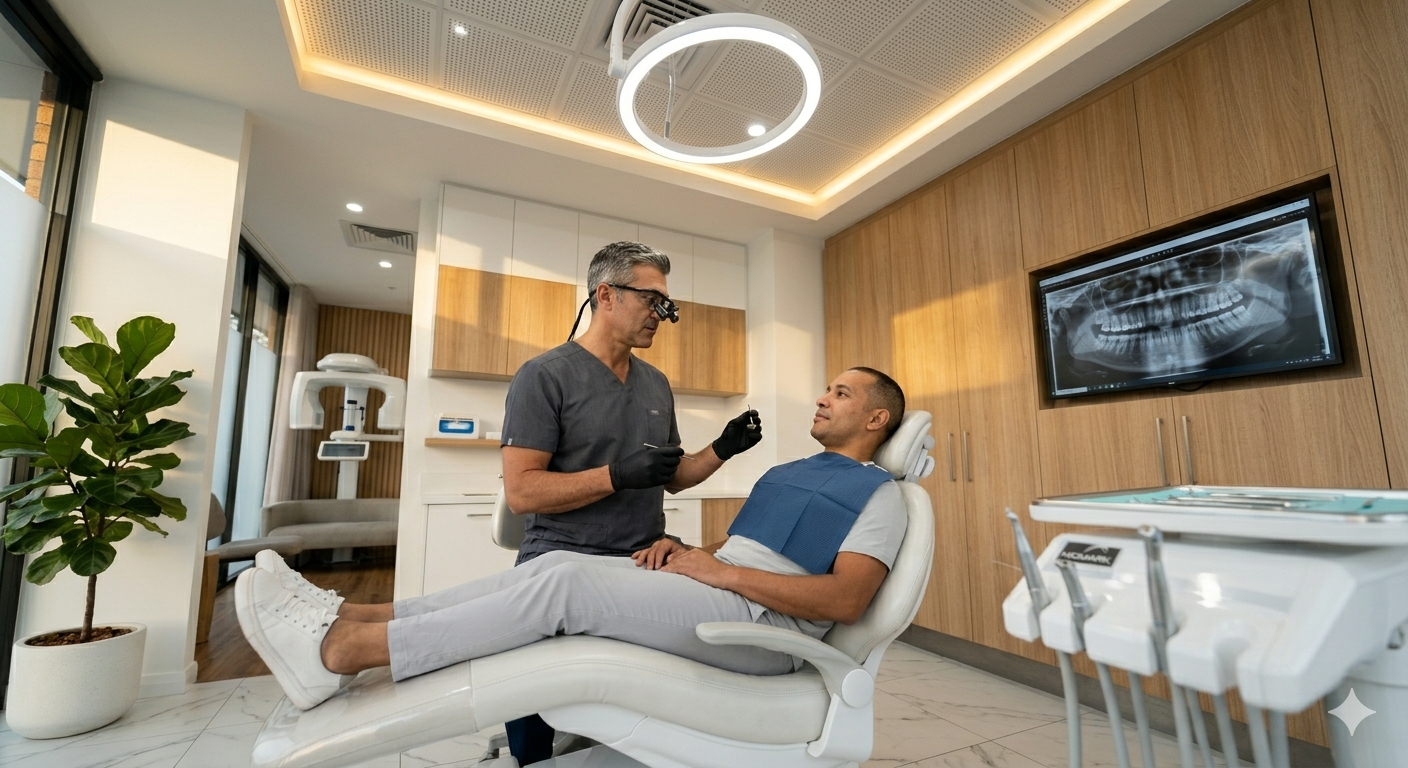
Dental emergencies can happen at any time, often when least expected. Whether it’s a sudden toothache, a knocked-out tooth, or an injury from an accident, quick access to care is essential. Emergency dental services in Peoria, AZ provide prompt treatment to relieve pain and prevent further damage.
Local dental clinics in Peoria understand that emergencies require immediate attention, offering flexible hours and same-day appointments when available. They use modern techniques to handle everything from sharp pain relief to restorative procedures with patient comfort in mind.
Knowing where to turn for emergency care helps reduce stress during urgent dental situations. Patients are encouraged to reach out, ask questions, and seek care as early as possible to protect their smiles and overall health.
Recognizing a Dental Emergency
Knowing the signs of a dental emergency can help someone act quickly and get the right care. Pain levels, visible damage, and other symptoms guide when professional help is needed most urgently.
Common Signs You Need Urgent Care
Severe tooth pain that doesn’t improve with over-the-counter painkillers is a clear sign. Swelling around the face or gums, especially if it makes breathing or swallowing difficult, also indicates urgent care.
Other signs include a knocked-out tooth, bleeding that won’t stop after 15 minutes, and a broken or cracked tooth that causes sharp pain or sensitivity. These situations require prompt attention to avoid complications.
Symptoms That Should Not Be Ignored
Persistent bad taste or foul odor in the mouth may signal infection beneath the gum line. Fever combined with tooth pain often means an abscess, which can spread if untreated.
Loose teeth without obvious injury or ongoing bleeding after a dental procedure also warrant quick dental evaluation. Ignoring these symptoms can lead to worsening infection or permanent tooth damage.
When to Seek Immediate Help
If a tooth is completely knocked out, immediate action is critical. The tooth should be rinsed carefully (without scrubbing) and kept moist—preferably in milk or saliva—until reaching the dentist.
Uncontrolled bleeding or a severe blow to the jaw causing misalignment or difficulty opening the mouth are emergency situations. Inability to breathe or swallow must result in an emergency room visit alongside urgent dental care.
Types of Urgent Dental Issues
Emergency dental problems can range widely in severity and cause, each requiring specific care to prevent further damage or pain. Some need immediate attention to preserve teeth, while others focus on controlling infection or reducing swelling. Recognizing the different urgent dental issues helps patients seek the right care promptly.
Toothaches and Infections
Toothaches often signal an underlying problem like decay, nerve damage, or infection. If the pain is severe, persistent, or accompanied by fever, it’s a sign an urgent visit to a dentist is necessary.
Infections can spread quickly beyond the tooth, affecting gums and jawbone. Symptoms such as throbbing pain, sensitivity to hot or cold, and swelling need prompt treatment to avoid complications. Emergency dental care can include pain management, antibiotics, and possibly root canal therapy.
Broken or Knocked-Out Teeth
A broken tooth can cause intense pain and sensitivity, especially if the nerve is exposed. Sharp edges may cut the tongue or gums, increasing discomfort. Emergency dental treatment can smooth rough edges, restore the tooth, or, in severe cases, consider extraction.
With a knocked-out tooth, time is critical. If found, the tooth should be rinsed gently and placed back in its socket or stored in milk. Immediate dental attention increases the chance to save the tooth through reimplantation.
Lost Fillings or Crowns
A lost filling or crown exposes the inner tooth to bacteria and sensitivity. This can lead to new decay or infection if left untreated.
Pain might be mild or absent, but the damaged tooth needs prompt repair to avoid further damage. Temporary dental cements are available for home use, but visiting a dentist quickly is essential to restore proper function and protection.
Dental Abscesses and Swelling
An abscess is a pocket of pus caused by bacterial infection, often resulting in severe pain and noticeable swelling in the face or gums. It may also cause fever and a bad taste in the mouth.
This condition requires immediate treatment to stop infection from spreading. A dentist may drain the abscess, prescribe antibiotics, and perform follow-up treatments such as root canal therapy or extraction. Swelling that obstructs breathing or swallowing demands urgent medical care.
What to Expect During an Emergency Visit
When visiting an emergency dental clinic in Peoria, patients can expect a carefully structured process that prioritizes comfort and swift relief. The experience begins with identifying the problem and easing pain quickly. Following that, modern tools help pinpoint the issue accurately, leading to a treatment plan tailored to the patient’s needs.
Initial Assessment and Pain Relief
At the start of the visit, the dentist performs a quick but thorough evaluation to understand the severity of the problem. This includes asking about symptoms, recent dental history, and any injuries. Pain management is a top priority. Depending on the case, the team may provide numbing agents, prescribe painkillers, or use other methods to control discomfort immediately.
This prompt relief helps patients feel more at ease and allows the dentist to conduct a detailed examination without interference from pain. The focus is always on minimizing distress while preparing for any necessary procedures.
Diagnostic Tools and Modern Technology
Emergency dentists in Peoria often use digital X-rays and intraoral cameras to get a clear picture of what’s happening inside the mouth. These tools provide precise images rapidly, helping to identify issues like cracks, infections, or impacted teeth that aren’t visible to the naked eye.
Having access to up-to-date technology means the dentist can make a more accurate diagnosis. This reduces the need for multiple visits, speeds up treatment, and improves patient outcomes. The imaging equipment is designed with patient comfort in mind, using low radiation and quick capture techniques.
Personalized Treatment Planning
After diagnosing the issue, the dentist explains treatment options clearly and answers any questions. Whether it’s a tooth extraction, root canal, or temporary repair, the plan fits the patient’s condition and lifestyle. The team also discusses follow-up care and preventive steps to avoid future emergencies.
This personalized approach ensures patients fully understand their choices, helping them feel in control of their dental health. The goal is not only to fix the immediate problem but also to support long-term oral wellness. Patients are encouraged to communicate any concerns throughout the process.
How to Handle Dental Emergencies at Home
Knowing what to do immediately after a dental emergency can protect your teeth and reduce pain before professional care. Acting quickly and following the right steps helps prevent further damage and improves outcomes.
First Steps Before You See the Dentist
The first priority is to stay calm and assess the situation. If there is bleeding, rinse your mouth gently with warm water to clean the area.
Use a clean cloth or gauze to apply light pressure on any bleeding spots for about 10 minutes. Avoid using aspirin directly on the gums or teeth.
If a tooth is chipped or broken, save the fragments and bring them to the dentist. For a knocked-out tooth, locate it quickly and handle it by the crown, avoiding the root.
Getting to an emergency dentist in Peoria, AZ as soon as possible is critical for the best care.
Managing Pain and Discomfort
Over-the-counter pain relievers such as ibuprofen can help reduce pain and swelling. Follow the dosage instructions carefully.
Applying a cold compress to the outside of the cheek near the injured area can also ease swelling and numb pain. Use it in 15-minute intervals.
Avoid hot, cold, or sugary foods during pain spikes, and keep your head elevated to reduce pressure. Do not put aspirin directly on the gums as it can cause burns.
If pain worsens or is accompanied by fever or swelling spreading beyond the mouth, seek emergency care immediately.
Preserving a Lost Tooth
If a permanent tooth is knocked out, preserving it properly boosts the chances of successful re-implantation by the dentist.
Rinse the tooth carefully with milk or saline solution to remove debris. Avoid scrubbing or removing any attached tissue.
Try to place the tooth back in its socket without forcing it. If that’s not possible, store it in a container of milk or inside the cheek to keep it moist.
Contact an emergency dental provider right away, ideally within 30 minutes, for the best chance of saving the tooth.
Preventing Future Dental Emergencies
Preventing dental emergencies involves consistent care and smart choices. Simple habits and protective measures can greatly reduce the risk of unexpected dental pain or injury. Staying proactive about oral health is key.
Maintaining Good Oral Hygiene
Good oral hygiene is the first line of defense against dental emergencies. Brushing twice daily with fluoride toothpaste removes plaque and food particles that cause decay. Flossing once a day reaches areas a toothbrush can’t, reducing gum disease risk.
Using an antibacterial mouthwash can further lower bacteria that lead to infections. Avoiding sugary snacks and drinks helps prevent cavities that might otherwise cause painful abscesses or broken teeth.
Keeping teeth strong and gums healthy minimizes the chance of sudden issues like toothaches or infections that require emergency care. Regular at-home care sets the foundation for long-term dental health.
Protective Gear for Sports
Wearing the right protective gear during sports is essential for preventing dental injuries. Mouthguards cushion impacts that could otherwise crack, chip, or knock out teeth. Sports like basketball, football, and hockey have higher risks for trauma.
Custom-fitted mouthguards from a dentist provide better fit and comfort than over-the-counter types. Helmets with face shields add another layer of safety for contact sports.
Encouraging kids and adults to always gear up before playing can save teeth and reduce emergency visits. Wearing protection is a simple step with big benefits.
Routine Dental Checkups
Regular dental checkups allow early detection of problems before they turn into emergencies. Dentists can find tiny cracks, cavities, or gum issues that may not cause pain initially but could worsen suddenly.
Professional cleanings remove hardened tartar that brushing can’t eliminate, preventing decay and gum disease. X-rays during visits reveal hidden problems below the gum line.
Scheduling checkups every six months or as recommended keeps the mouth under watch. Prompt treatment from these appointments can head off pain and costly emergency care down the line.
Choosing the Right Dental Provider in Peoria
Finding the right dental care in Peoria means considering factors that affect both treatment quality and comfort. Patients should focus on the provider’s experience, communication style, and familiarity with emergency situations.
Qualities to Look For
A good emergency dental provider in Peoria offers quick response times and clear communication. Look for dentists who have specialized training in handling urgent cases, like toothaches, broken teeth, or infections.
Patient comfort matters, so the office environment should feel welcoming and equipped with modern technology. Friendly staff and state-of-the-art tools often indicate a practice committed to effective, pain-minimized treatment.
Licensing and credentials should be up-to-date. Online reviews and referrals can provide real insights into the provider’s reliability and bedside manner.
Questions to Ask During Your Visit
When visiting an emergency dentist, ask about availability—do they offer same-day appointments or after-hours service? Inquire about their approach to pain management, especially if you fear dental procedures.
Clarify the cost of emergency services and whether they accept insurance or offer payment plans. Knowing this upfront can ease financial stress during urgent care.
Also, ask how they handle follow-up care. Emergency treatment is often the first step, so understanding next appointments or further procedures matters.
Benefits of Local Expertise
A dental provider familiar with Peoria’s community can offer advantages in emergency care. They understand common local hazards that might lead to dental injuries, such as sports-related accidents or regional diet-related tooth problems.
Local dentists can provide personalized care based on patient history and often develop ongoing relationships. This continuity makes managing dental emergencies smoother and less stressful.
Additionally, proximity means faster access, a critical factor when dealing with acute pain or dental trauma. A nearby practice can prioritize emergency patients promptly, reducing wait times.
Support and Comfort for Anxious Patients
Emergency dental visits can be stressful, especially if fear or anxiety is involved. Clinics in Peoria, AZ focus on creating a calm environment and offer tailored options to ease discomfort and nervousness during urgent care.
Gentle Care Approaches
Dentists use techniques designed to reduce pain and anxiety. They explain each step clearly and move at a pace that respects the patient’s comfort level. This can help patients feel more in control and less overwhelmed.
Modern equipment also plays a role; tools designed for minimal discomfort and quick procedures reduce the overall stress of an emergency visit. Staff members often provide extra reassurance through friendly communication and a welcoming atmosphere.
Sedation Options for Emergencies
For patients with severe dental anxiety or complex procedures, sedation is available. Options include nitrous oxide (laughing gas), oral sedatives, or intravenous (IV) sedation, each suited for different levels of need and safety.
Nitrous oxide works quickly and wears off fast, making it ideal for mild to moderate anxiety. Oral sedatives can calm nerves without full unconsciousness. IV sedation offers deeper relaxation, often used in more urgent or invasive cases. Dentists closely monitor patients to ensure safety throughout treatment.
Next Steps and Getting Help
If someone experiences a dental emergency in Peoria, AZ, the first step is to stay calm and assess the situation. They should try to identify the severity of the problem—whether it’s a broken tooth, severe pain, or bleeding. This helps determine whether immediate professional care is required.
Contacting a local emergency dentist quickly is essential. Many dental offices offer same-day appointments or after-hours services. Patients should have their dental insurance information and a brief description of the issue ready to speed up the process.
While waiting for treatment, some basic self-care can reduce discomfort. For example:
- Rinse the mouth gently with warm salt water
- Apply a cold compress to reduce swelling
- Avoid chewing on the injured side
Here’s a simple checklist to prepare:
| Step | What to Do | Why It Helps |
|---|---|---|
| Identify the issue | Note pain level or visible damage | Determine emergency severity |
| Call the dentist | Explain symptoms, ask about immediate care | Secure prompt professional help |
| Use first aid | Rinse, compress, avoid irritants | Manage pain and prevent infection |
Emergency dentists in Peoria are trained to make patients feel comfortable and offer modern treatment options. They also provide guidance on follow-up care and prevention to avoid future emergencies.
Encourage anyone facing dental emergency pain or trauma to reach out quickly. Early action often means easier treatments and better results.
Frequently Asked Questions
Understanding when to seek emergency dental care and how to manage situations at home can make a big difference. Knowing what steps to take in the first moments of a dental emergency helps protect teeth and reduce pain.
What counts as a true dental emergency versus something that can wait until a regular appointment?
A true dental emergency includes severe pain, uncontrolled bleeding, knocked-out teeth, or signs of infection like swelling and fever. Mild toothaches, minor chips, or loose fillings generally can wait for a scheduled visit.
If I have a dental emergency and don’t have a regular dentist, what should I do first?
The first step is to find a nearby emergency dental clinic or urgent care center. Calling ahead to describe the situation can help ensure faster treatment and proper preparation.
How quickly should I be seen for a tooth infection, and what is the “3-3-3 rule” supposed to mean?
A tooth infection needs prompt care, ideally within 3 hours, to prevent spreading. The “3-3-3 rule” means if swelling lasts more than 3 days, pain persists more than 3 hours without relief, or a fever tops 103°F, you should seek immediate help.
What can I do at home to safely manage tooth pain or swelling until I can get in to be seen?
Rinsing with warm salt water, taking over-the-counter pain relief, and applying a cold compress can reduce pain and swelling. Avoid very hot, cold, or sugary foods to prevent worsening symptoms.
If a tooth gets knocked out or chipped, what steps should I take right away to protect it?
For a knocked-out tooth, gently rinse it and try to place it back into the socket or keep it in milk or saliva. For chips, rinse your mouth and save any broken pieces to bring to the dentist.
Can I be seen after hours or on the weekend for urgent dental care, and what should I expect during the visit?
Many emergency dental offices in Peoria offer after-hours or weekend appointments. During the visit, a dentist will assess, control pain, and plan further treatment, focusing on comfort and quick relief.