
Affordable Teeth Whitening Peoria AZ — Safe, Comfortable Options From Your Local Dental Experts
Looking for affordable teeth whitening in Peoria, AZ? You’ll find options that fit your budget without sacrificing safety or results. You can get a noticeably brighter smile through clinics that offer both professional in-office treatments and lower-cost supervised take-home kits tailored to local pricing and needs.
This article explains how whitening works, compares local options, and highlights cost-saving choices like community clinics and package deals. It also outlines what to expect during appointments and how to care for your smile afterward so you make a confident, comfortable decision.
Understanding Teeth Whitening Basics
Teeth whitening improves brightness by targeting surface stains and internal discoloration with peroxide-based agents or professional polishing. It’s important to choose a method that matches the type of stain, sensitivity level, and budget.
What Causes Tooth Discoloration
Stains fall into two categories: extrinsic and intrinsic. Extrinsic stains sit on enamel and come from coffee, tea, red wine, tobacco, and some colored foods. Plaque and tartar buildup also darken enamel and respond best to professional cleaning.
Intrinsic stains occur inside the tooth and result from aging, certain antibiotics (like tetracycline taken during tooth development), excessive fluoride exposure in childhood, trauma, or root canal treatment. These stains are harder to remove and often need stronger in-office bleaching or internal bleaching techniques.
Genetics and enamel thickness affect perceived color; thinner enamel shows more of the underlying dentin, which looks yellowish. Restorations such as crowns, veneers, and composite fillings do not whiten with bleaching agents, so matching shades may require replacement after whitening.
How Whitening Treatments Work
Whitening agents use hydrogen peroxide or carbamide peroxide to break molecular bonds of pigmented compounds. In-office treatments often use higher concentrations and light or heat to speed reactions, producing noticeable results in a single visit.
At-home professional kits use custom trays with lower peroxide concentration for gradual whitening over days to weeks. Over-the-counter products—strips, gels, and whitening toothpaste—contain lower peroxide levels or abrasives and usually yield milder, slower results.
Professional evaluation ensures safe use; clinicians protect gums with barriers and assess restorations. Sensitivity commonly occurs due to peroxide penetrating enamel; options to reduce it include desensitizing gels, shorter application times, and potassium nitrate toothpaste.
Who Is a Good Candidate
Ideal candidates have healthy gums, no active decay, and realistic expectations about outcomes. Patients with primarily extrinsic staining from lifestyle habits typically see the best, fastest improvements.
Those with intrinsic stains may need in-office treatments, internal bleaching for non-vital teeth, or restorative options like veneers if bleaching fails. People with large restorations, extensive enamel loss, or exposed dentin should consult a dentist about whether whitening or restorative work better meets their goals.
Pregnant or breastfeeding patients, young children, and individuals with certain allergic reactions to peroxide should avoid whitening until cleared by a dentist. A brief exam and X-rays help determine candidacy and create a safe, effective plan.
Choosing the Right Whitening Option Locally
Local options vary by cost, speed, and level of professional oversight. Patients should weigh immediate results against sensitivity risk and maintenance needs when selecting a treatment.
In-Office Professional Treatments
In-office whitening uses high-concentration peroxide gels applied by a licensed dentist, often with a protective barrier for gums and a light or laser to accelerate results. A typical session in Peoria takes 45–90 minutes and can lighten teeth 4–8 shades in one visit, which suits event-driven needs or patients seeking fast, predictable outcomes.
Dentists evaluate restorations, gum health, and enamel condition before treatment to reduce complications. Costs here range higher than other options, but include professional assessment and immediate adjustment for sensitivity. Patients with crowns or deep intrinsic stains should expect limited improvement and a discussion of alternatives like veneers.
Take-Home Whitening Kits From Dentists
Dentist-prescribed take-home kits combine custom-fitted trays with carbamide or hydrogen peroxide gel for daily wear over 1–2 weeks. Custom trays provide even coverage and lower gel contact with gums, reducing irritation compared with generic strips. Results are gradual—often 2–6 shades—allowing patients to control intensity and monitor sensitivity.
These kits include an exam and follow-up, so dentists can tailor concentration and wear time for patients with thin enamel or preexisting sensitivity. Pricing sits between in-office and OTC options and often includes replacement gels. They work best for people who prefer convenience and professional oversight without a lengthy chair time.
Over-the-Counter Products Comparison
OTC options include whitening strips, paint-on gels, whitening toothpaste, and LED kits sold at drugstores. Strips and gels use lower peroxide levels, produce modest whitening (1–3 shades), and cost less, but they fit variably and can cause uneven results or gum irritation if misapplied.
Whitening toothpaste mainly removes surface stains and won’t change intrinsic color. OTC LED kits offer mixed results and lack the custom fit of dentist trays. Patients should compare active ingredient concentration, wear time, and user reviews, and consult a dentist if they have restorations, sensitive teeth, or significant discoloration before choosing an OTC route.
Top Benefits of Professional Whitening
Professional whitening delivers faster, safer, and more customized results than store products. Patients see significant shade improvements with treatments that prioritize comfort and long-term outcomes.
Faster Results and Lasting Effects
Professional in-office whitening often brightens teeth several shades in a single 60–90 minute visit. Stronger, dentist-applied peroxide gels and controlled light or heat activation speed up stain removal compared with over-the-counter strips and toothpastes.
At-home kits prescribed by the dentist use custom-made trays that hold professional-strength gel against teeth evenly. Those trays produce gradual, consistent whitening over 1–2 weeks and typically maintain results longer because they achieve deeper stain breakdown.
Longevity depends on habits: avoiding coffee, red wine, and tobacco helps preserve whiteness. Dentists can recommend touch-up schedules—often every 6–12 months with a brief at-home application—to extend results without repeated in-office procedures.
Enhanced Comfort and Safety
Dentists evaluate enamel condition, restorations, and gum health before beginning whitening to reduce sensitivity risks. They can adjust gel concentration and exposure time to minimize discomfort for patients with sensitive teeth.
During in-office sessions, protective barriers shield gums and soft tissues from irritation. Desensitizing agents and neutral fluoride treatments can be applied immediately after whitening to reduce postop sensitivity and strengthen enamel.
Professional monitoring also prevents uneven outcomes on crowns, veneers, or heavily restored teeth. When restorations don’t respond to whitening, the dentist discusses restorative options so color matches across the smile without unnecessary or unsafe treatments.
Personalized Treatment Plans
A dentist tailors whitening based on stain type: intrinsic discoloration from medications often needs different protocols than surface stains from foods. They perform a shade assessment and document baseline photos to track progress objectively.
Treatment plans address lifestyle and budget. Options include single-visit in-office whitening, dentist-supervised take-home trays, or a combination approach. The dentist sets realistic expectations, explains possible sensitivity, and suggests preventive steps to maintain results.
Pricing and timing get individualized estimates, and follow-up visits confirm satisfaction and schedule touch-ups. This personalized approach helps patients achieve predictable, sustainable improvements with minimal surprises.
Affordable Care Options in Peoria, AZ
Peoria offers several practical ways to keep teeth whitening affordable, from one-time discounts to ongoing payment options. Patients can compare specific promotions, payment plans, and insurance approaches to choose the best fit for their budget and needs.
Special Offers and Promotions
Local dental practices often run weekday or seasonal discounts on in-office whitening treatments. For example, a clinic might advertise a 20% off spring special or a bundled package that includes an exam, cleaning, and whitening for a set price. Patients should check clinic websites, social media pages, and email newsletters for coupon codes and limited-time deals.
New-patient deals are common and can cut initial costs significantly. Some offices also offer referral discounts when a current patient refers a friend. Always verify what the promotion covers—tray fabrication, gels, or follow-up visits—and confirm any exclusions before booking.
Flexible Payment Plans
Many Peoria dentists provide in-house payment plans that split the cost over several months with little or no interest. Typical plans require a down payment and then 3–12 monthly installments charged to a card on file. These plans make professional whitening accessible without large upfront expenses.
Third-party medical financing companies also operate locally, offering short-term interest-free periods or longer-term loans with fixed monthly payments. Patients should compare APRs, fees, and repayment terms. Ask the dental office to outline the total cost under each option to avoid surprises.
Insurance and Financing Tips
Regular dental insurance rarely covers cosmetic whitening, but patients can use FSA or HSA funds to pay for professional whitening if the expense meets plan requirements. Confirm eligibility with the FSA/HSA administrator and keep receipts and provider codes for claims. Sometimes a whitening procedure bundled with a restorative need may be partially covered.
If insurance won’t help, document medical necessity when stains result from medication or trauma; some insurers may consider partial coverage. For larger outlays, request an itemized estimate from the dentist and shop quotes from at least two offices. Comparing precise costs, inclusions, and financing terms helps patients make an informed choice.
What to Expect During a Whitening Appointment
This visit covers a quick mouth exam, a safety check for restorations and sensitivity, and the actual whitening procedure. Patients will leave with aftercare instructions and a clear timeline for results and any follow-up.
Initial Consultation Process
The clinician reviews medical history and asks about past tooth sensitivity, restorations (crowns, veneers, large fillings), and current medications that might affect whitening. They examine teeth and gums for decay, inflammation, or broken restorations that could cause uneven results or sensitivity if treated without repair.
A shade assessment uses a shade guide or digital photography to document baseline color. The provider explains realistic expectations based on enamel stains versus intrinsic discoloration and notes whether restorations will limit whitening effects.
Consent and cost are discussed, including the estimated number of sessions, expected shade change, and any warranty or touch-up options. Patients receive pre-treatment instructions such as avoiding tobacco and staining foods 24–48 hours before the appointment.
Step-by-Step Treatment Overview
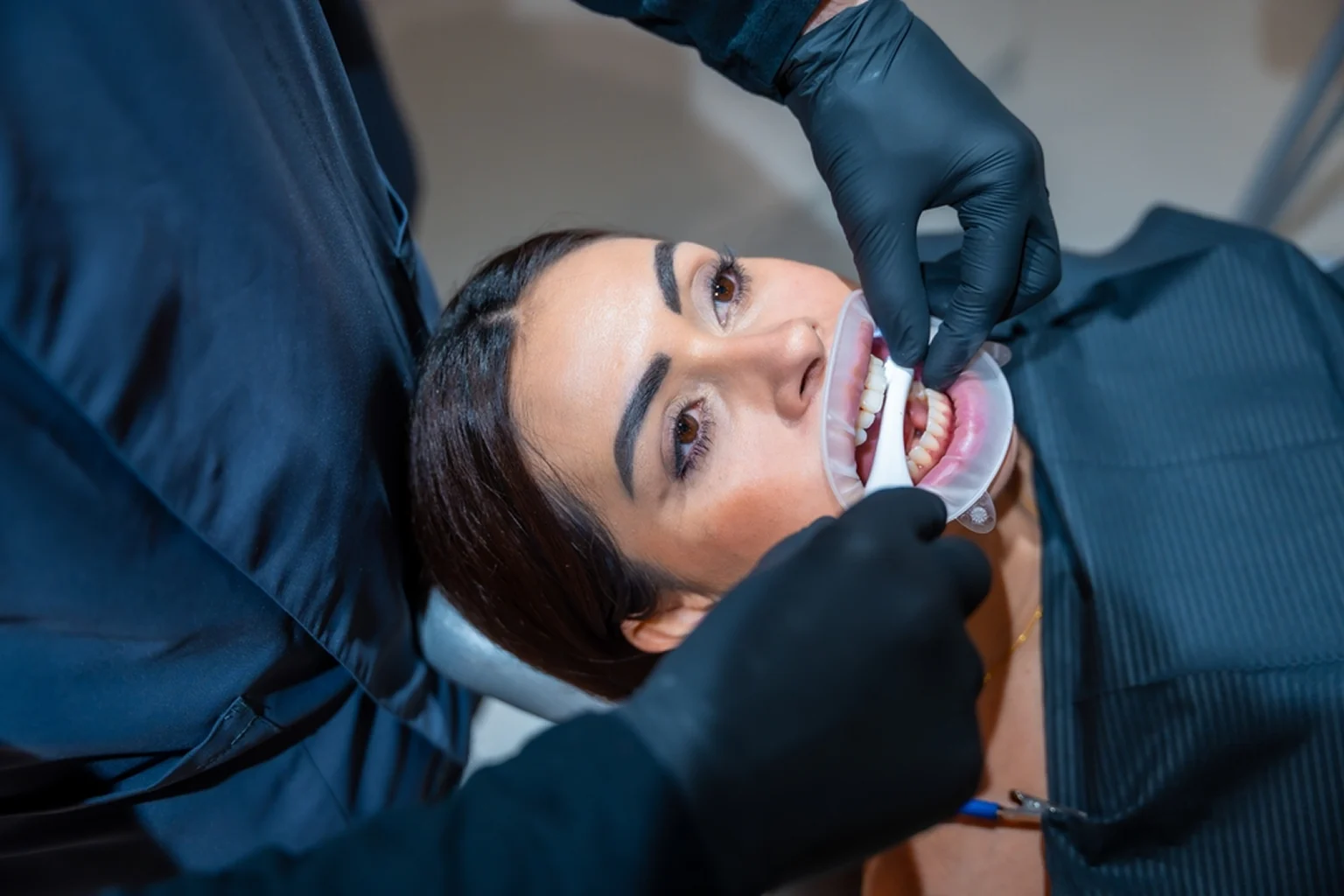
The appointment begins with a professional cleaning or spot polish if plaque would interfere with even whitening. The clinician isolates lips and cheeks with retractors and protects gums using a light-cured or gel barrier to reduce chemical contact.
A peroxide-based whitening gel (typically 10–40% carbamide or hydrogen peroxide in-office) is applied to tooth surfaces in thin layers. An LED or laser activation may follow for 15–20 minute cycles, repeated as needed; total chair time usually ranges from 45 to 90 minutes depending on the system and desired shade.
Aftercare includes rinsing any residual gel, evaluating immediate shade change, and giving a sensitivity-reducing product if needed. Patients receive written care instructions: avoid dark foods and drinks for 48 hours, use desensitizing toothpaste for a week, and schedule touch-ups or at-home trays if part of the plan.
Caring for Your Smile After Whitening
Maintaining a bright smile depends on consistent home care and small lifestyle adjustments. Targeted daily habits and sensible choices about foods and drinks keep results longer and reduce sensitivity.
Tips for Maintaining Results
They should brush twice daily with a non-abrasive toothpaste labeled for whitening or sensitivity to avoid wearing enamel. Use a soft-bristled brush and gentle circular motions; brushing too hard can increase translucency and make stains reappear.
Daily flossing removes plaque between teeth where whitening doesn’t reach. Rinsing with an alcohol-free fluoride mouthwash once a day helps strengthen enamel and prevents decay that can discolor teeth.
Touch-up treatments extend results. For at-home trays, follow the dentist’s schedule—often one to two nights monthly. For in-office whitening, ask the provider about custom maintenance kits or short at-home applications every few months.
Manage sensitivity proactively. Use desensitizing toothpaste for two weeks after treatment and avoid very hot or cold foods during that time. If sensitivity persists beyond a month, contact the dental office for assessment and a tailored plan.
Foods and Habits to Avoid
They should limit dark-colored beverages like coffee, black tea, red wine, and cola—these contain chromogens that attach to enamel and cause staining. When drinking them, using a straw reduces contact with front teeth.
Avoid smoking and chewing tobacco entirely; nicotine and tar produce deep, hard-to-remove stains and undermine oral health. Quitting significantly improves whitening longevity and reduces periodontal risks.
Steer clear of highly pigmented sauces and berries before planned touch-ups. Foods such as soy sauce, balsamic vinegar, curry, and blueberries stain quickly; rinse with water or brush within 30 minutes after eating to reduce staining.
Minimize acidic foods and drinks like citrus, soda, and sports drinks immediately after whitening. Acid softens enamel and makes teeth more susceptible to staining and sensitivity; wait at least 48 hours after whitening before consuming acidic items regularly.
Addressing Common Concerns and Myths
People often worry about tooth sensitivity and safety when choosing affordable whitening in Peoria, AZ. Clear expectations about possible side effects, realistic results, and safe product choices help patients make informed decisions.
Sensitivity Issues Explained
Tooth sensitivity after whitening most often appears as brief, sharp sensations to cold or brushing. It occurs because peroxide-based whiteners temporarily open microscopic tubules in enamel, letting stimuli reach the nerve beneath.
Sensitivity typically begins within 24–48 hours of treatment and subsides within a few days to two weeks. Over-the-counter strips and some take-home kits cause milder sensitivity than high-concentration in-office gels, but individual responses vary.
Dentists reduce risk using lower-concentration gels, shorter exposure times, and desensitizing agents such as 5% potassium nitrate toothpaste or fluoride varnish applied before or after whitening. Patients with exposed dentin, recent restorations, or active gum disease should consult a dentist first; treating those issues often prevents lasting discomfort.
Practical tips: use desensitizing toothpaste twice daily starting a week before whitening, avoid very hot or cold foods for a few days, and pause treatment if sensitivity worsens. If severe sensitivity persists beyond two weeks, seek dental evaluation.
Misconceptions About Whitening Safety
Whitening products do not erode healthy enamel when used per instructions and under dental supervision. Concentrated professional treatments carry higher peroxide levels but are applied carefully to protect gums and restorations, making them safe for most patients.
White fillings, crowns, and veneers do not lighten with bleaching agents; whitening can create color mismatches if restorations are not planned for replacement. Patients should discuss existing restorations with their dentist to set realistic expectations and timing for any restorative work.
“Natural” remedies like charcoal or lemon juice can abrade enamel or alter surface pH and are not recommended. Approved whitening options—dentist-dispensed take-home kits and monitored in-office treatments—offer predictable results with lower risk when paired with proper assessment and follow-up.
For specific concerns about safety, sensitivity, or how whitening will interact with restorations, patients should schedule a consultation to receive personalized recommendations and an affordable treatment plan.
Taking the Next Step Toward a Brighter Smile
Patients often hesitate because they worry about cost, sensitivity, or the time involved. A short consultation clears up those concerns and creates a plan that fits the budget and lifestyle.
They can choose between in-office whitening for faster results or supervised take-home kits for gradual brightening. Both options use professional-strength products that are safer and more effective than over-the-counter gels.
Financial options frequently include payment plans, membership discounts, or promotional pricing. Asking about these during the visit helps patients make an informed choice without surprise bills.
A quick oral exam identifies any issues that should be addressed before whitening, such as cavities or gum disease. Treating those first protects long-term results and reduces the chance of discomfort.
Practical tips before treatment: avoid staining foods for 48 hours, brush gently, and mention any history of sensitivity. After treatment, they should maintain results with good hygiene and occasional touch-ups.
If they need help finding affordable providers in Peoria, AZ, a local dental office can explain options, show before-and-after photos, and outline expected costs. Encourage scheduling a consultation to get personalized recommendations and next steps.
Frequently Asked Questions
This section answers common concerns about safe whitening for sensitive teeth, typical costs in Peoria AZ, how long results last, differences between in-office and at-home options, effectiveness on deep stains, and preparation steps before treatment.
What’s the safest way to whiten teeth if I have sensitive teeth?
For sensitive teeth, a dentist-recommended take-home tray with lower-concentration peroxide is often safest. It allows controlled contact time and can be paused if sensitivity increases.
Desensitizing toothpaste or fluoride varnish applied before or after whitening reduces discomfort. A dentist can recommend spacing treatments and using potassium nitrate or fluoride products to manage sensitivity.
How much does professional teeth whitening typically cost, and what affects the price?
In Peoria AZ, in-office whitening commonly ranges from $300 to $800 depending on the practice and whitening system. Take-home trays prescribed by a dentist usually cost $200 to $400.
Factors that change price include the experience of the dentist, brand of whitening agent, inclusion of follow-up visits, and whether tooth-colored restorations need matching or replacement.
How long do whitening results usually last, and how can I keep my smile bright longer?
Results typically last 6 months to 2 years, varying by diet and oral habits. Regular touch-up treatments with take-home gel every few months extends the effect.
Avoiding stain culprits—coffee, red wine, tea, and tobacco—slows re-staining. Good oral hygiene and professional cleanings every 6 months help maintain brightness.
Is in-office whitening better than take-home trays or over-the-counter strips?
In-office whitening produces faster, more noticeable results in one visit because it uses higher peroxide concentrations and professional activation. It suits people who want immediate change or have deep staining.
Take-home trays offer customizable, gradual whitening under dental supervision and often cause less sensitivity than in-office systems. Over-the-counter strips are less expensive but deliver weaker, less predictable results and offer no professional oversight.
Can whitening remove deep stains from coffee, tea, wine, or smoking?
Whitening lightens many surface and some deeper stains caused by coffee, tea, and smoking, but results vary by stain age and enamel condition. Intrinsic stains from medications, trauma, or severe fluorosis may not respond well to bleaching.
For resistant discoloration, a dentist might recommend alternatives such as composite bonding, veneers, or internal bleaching for discolored root-treated teeth.
What should I do to get ready for whitening, and is a cleaning needed first?
A professional dental cleaning before whitening removes surface plaque and tartar so whitening agents contact enamel evenly. The dentist will also examine for cavities, gum disease, or restorations that affect whitening outcomes.
Patients should disclose dental work, medications, and sensitivity history. The dentist will advise on timeline, pre-treatment fluoride or desensitizing measures, and whether whitening is appropriate.