
Sleep Apnea Treatment Peoria AZ: Gentle, Modern Solutions From Your Neighborhood Dental Expert
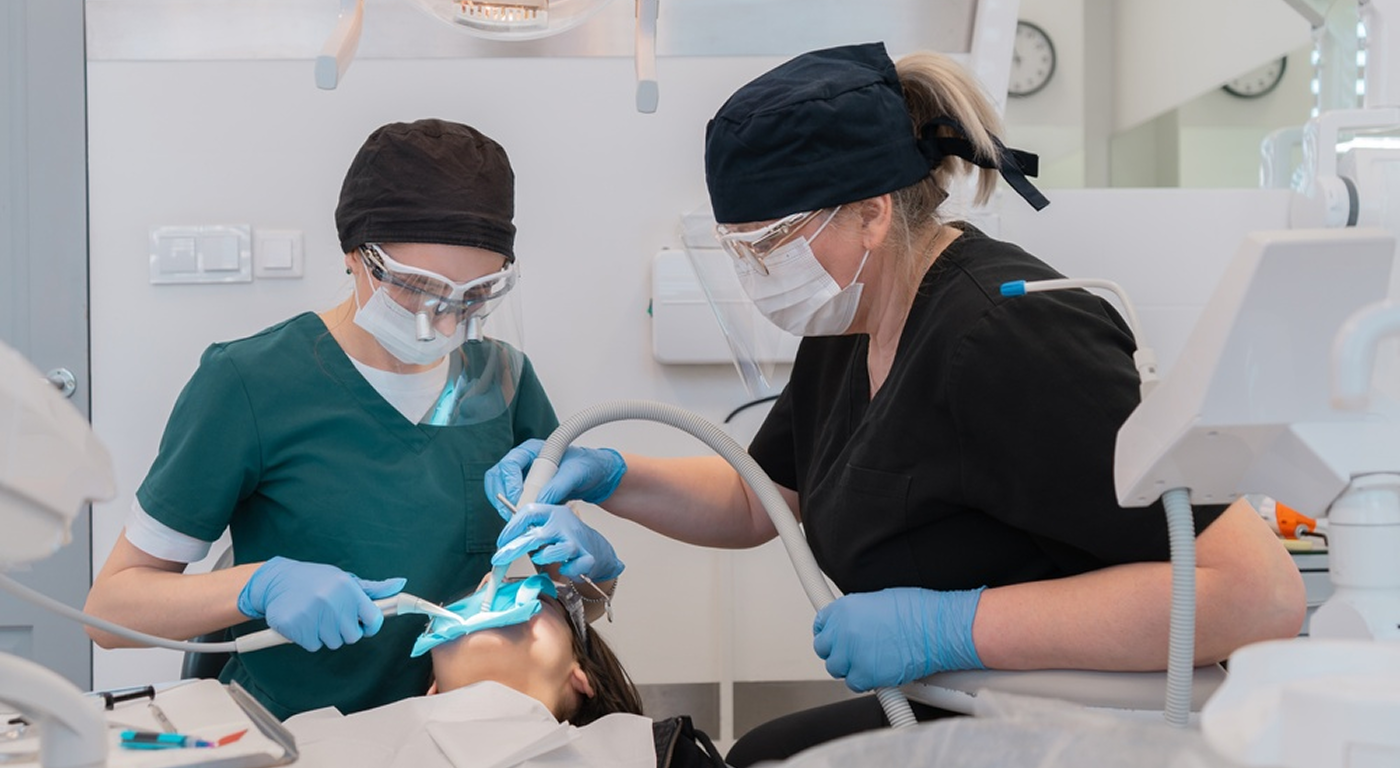
If you suspect sleep apnea or struggle with daytime sleepiness, you can find effective, personalized treatment options right in Peoria, AZ that address both symptoms and long-term health. Local sleep specialists evaluate your breathing patterns, confirm a diagnosis, and tailor solutions—from mouthguards to CPAP and surgical options—so you wake up feeling safer and more rested.
They explain how to recognize telltale signs like loud snoring, gasping, or morning headaches and guide you through straightforward testing and clear treatment choices. Expect modern technology, comfortable care, and step-by-step support that makes managing sleep apnea practical and less intimidating.
Recognizing the Signs of Sleep Apnea
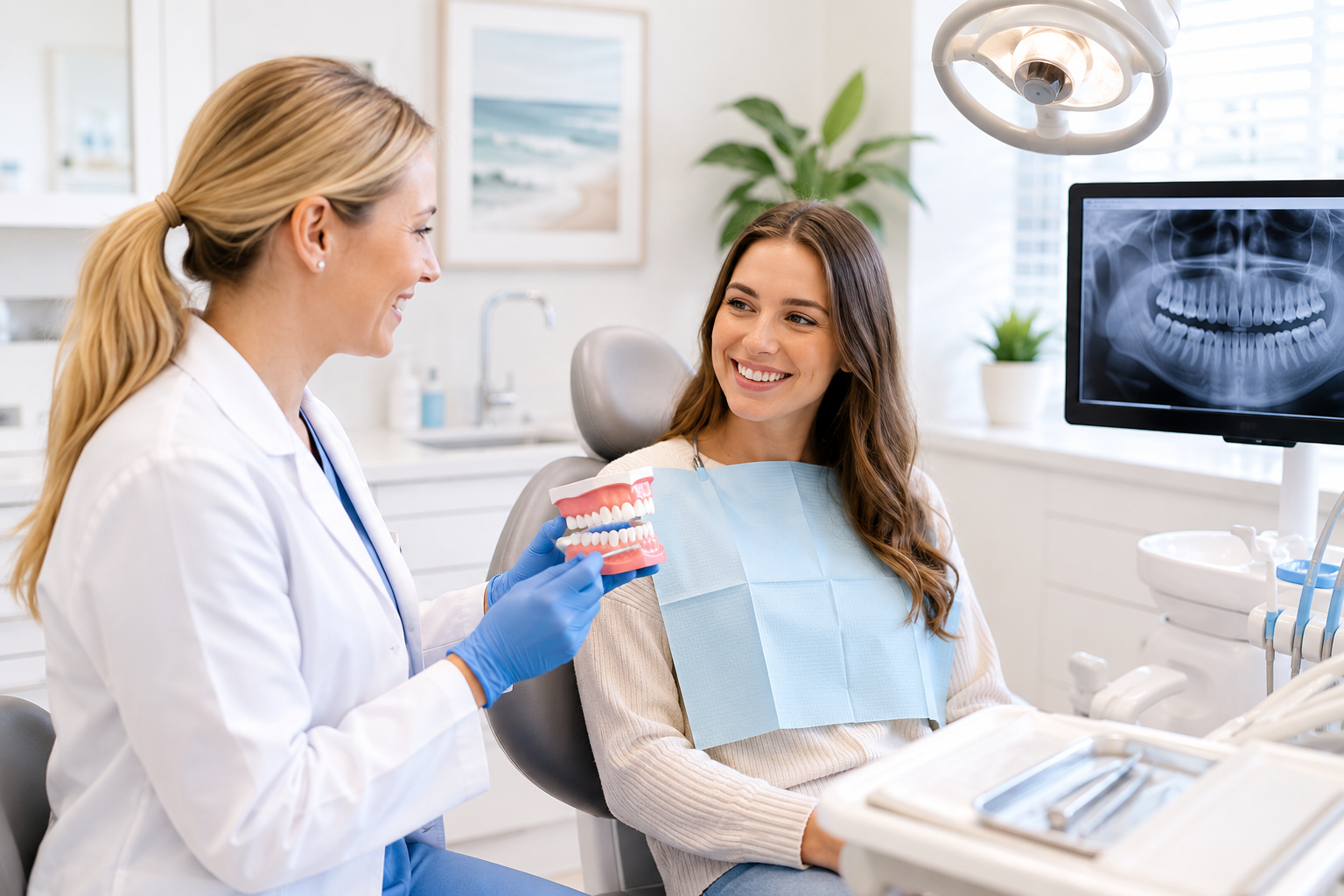
Sleep apnea often shows through disrupted breathing at night, loud snoring, and daytime sleepiness. Early recognition helps guide timely evaluation and effective treatment choices.
Common Symptoms in Adults and Children
Adults frequently snore loudly, gasp, or stop breathing during sleep as reported by a partner or family member. Excessive daytime sleepiness, morning headaches, dry mouth on waking, and difficulty concentrating are typical adult signs.
Adults with hypertension, diabetes, or a large neck circumference (over 17 inches in men, 16 inches in women) have higher risk.
Children may show different symptoms: loud snoring, mouth breathing, bedwetting, irritability, or poor school performance. Enlarged tonsils or adenoids commonly contribute in kids.
Pediatric sleep apnea can present as hyperactivity rather than sleepiness, so behavioral changes deserve attention.
Warning Signs That Warrant a Professional Evaluation
Seek evaluation if breathing pauses, choking, or gasping episodes occur multiple times per week. Immediate testing is advisable for daytime sleepiness that interferes with work, driving, or child care.
If a bed partner notes pauses lasting 10 seconds or longer, or if loud, disruptive snoring persists despite weight loss or positional changes, consult a clinician.
Other red flags include unexplained high blood pressure, irregular heart rhythms, or frequent nighttime awakenings. For children, growth delays, learning difficulties, or recurring ear infections should prompt referral to a pediatric sleep specialist or ENT.
Impact on Daily Life and Well-Being
Untreated sleep apnea reduces alertness, increasing risk of motor vehicle accidents and workplace errors. It also impairs mood, memory, and motivation, which can strain relationships and job performance.
Physiologically, repeated oxygen drops during sleep raise cardiovascular strain, worsening blood pressure control and increasing risk for stroke and heart disease.
Treatment improves energy, mood, and cognitive function within weeks for many patients. Early diagnosis allows personalized options — from oral appliances and CPAP to surgery — helping restore healthy sleep and daily functioning.
Understanding Your Diagnosis
Sleep apnea diagnosis explains whether breathing interruptions occur at night, how severe they are, and which treatment options match the patient’s anatomy, symptoms, and lifestyle. Accurate diagnosis guides decisions about CPAP, oral appliance therapy, positional therapy, or referral for surgery.
How Sleep Apnea Is Diagnosed
Clinicians start with a detailed history: daytime sleepiness, loud snoring, witnessed pauses, dry mouth on waking, and cardiovascular or metabolic concerns. They perform an airway exam, checking tonsil size, tongue position, jaw alignment, and neck circumference to assess obstruction risk.
Common screening tools include the STOP-Bang and Epworth Sleepiness Scale to quantify risk and symptoms. These tools help decide whether a sleep study is needed and whether referral to a sleep medicine physician or ENT is appropriate.
Doctors review medications, alcohol use, and comorbid conditions like hypertension, diabetes, or atrial fibrillation because these affect both diagnosis and urgency of treatment. Home sleep apnea testing can detect obstructive events for many adults, while in-lab studies are preferred when cardiac or respiratory complexity exists.
Importance of Sleep Studies
Sleep studies measure breathing, oxygen levels, heart rate, and body position during sleep to classify apnea severity. In-lab polysomnography (PSG) records brain waves, eye movements, muscle activity, airflow, and chest effort for comprehensive assessment.
Home sleep apnea testing (HSAT) records airflow, oxygen saturation, and respiratory effort and suits patients with high pretest probability of moderate-to-severe obstructive sleep apnea (OSA). HSAT is convenient and cost-effective but may miss central apnea or subtle sleep architecture changes.
Results yield an apnea-hypopnea index (AHI) and oxygen desaturation metrics that determine mild, moderate, or severe OSA. Those metrics directly influence treatment choice: CPAP typically for moderate-to-severe OSA; oral appliances or positional therapy for mild-to-moderate cases with favorable anatomy.
Role of Personalized Assessment
Personalized assessment combines objective test results with anatomic findings and patient preferences. For example, a patient with moderate OSA, a small jaw, and intolerance of CPAP may be a strong candidate for a custom mandibular advancement device fitted by a dental sleep specialist.
Treatment planning also considers occupation (e.g., commercial drivers), cardiovascular risk, and tolerance for nightly devices. Clinicians may trial oral appliance therapy with follow-up HSAT to confirm effectiveness, then adjust device settings or consider combination therapy if needed.
Shared decision-making ensures patients understand expected benefits, nightly commitment, side effects, and follow-up schedule. Regular reassessment—repeat sleep testing, symptom tracking, and dental or airway exams—keeps treatment aligned with changing needs and maximizes long-term success.
Personalized Treatment Approaches in Peoria, AZ
Patients in Peoria receive tailored care that balances comfort, effectiveness, and lifestyle. Local providers evaluate sleep studies, oral anatomy, medical history, and patient preferences to match treatment to need.
Overview of Dental Appliance Solutions
Dental appliances for sleep apnea in Peoria commonly include custom-made mandibular advancement devices (MADs) and tongue-retaining devices (TRDs). A dentist takes impressions or a digital scan, then a lab fabricates a device designed to move the lower jaw forward or hold the tongue to keep the airway open during sleep.
Fitting involves adjustment appointments to optimize comfort and jaw position, plus follow-ups every 3–6 months to check wear, fit, and dental side effects like bite changes. Appliances suit patients with mild-to-moderate obstructive sleep apnea (OSA), those intolerant of CPAP, or partners of CPAP users who need a quieter option.
Costs vary by device complexity and lab fees; many Peoria practices provide financing or coordinate with medical insurance when sleep physicians prescribe the appliance. Patients should ask about trial periods, cleaning instructions, and expected lifespan (often 2–5 years).
Effectiveness of Oral Devices Compared to CPAP
CPAP remains the gold standard for moderate-to-severe OSA because it reliably normalizes breathing by delivering pressurized air. Oral devices reduce apnea-hypopnea events by advancing the jaw, and they can produce similar symptomatic improvements for patients with mild-to-moderate OSA or positional apnea.
Clinical outcomes depend on adherence: many Peoria patients prefer oral devices because they tolerate them better and thus use them more consistently. Studies show MADs lower AHI (apnea-hypopnea index) significantly in appropriate candidates, but for severe OSA, CPAP typically achieves greater AHI reduction.
Providers in Peoria coordinate care with sleep physicians to compare home sleep tests or polysomnography results, then recommend the most effective device for each patient’s severity and anatomy. Objective follow-up testing or at-home monitoring confirms whether the chosen therapy meets therapeutic goals.
Lifestyle Changes That Support Therapy
Weight management helps reduce OSA severity; even a modest 5–10% weight loss can improve airway patency. Peoria patients receive referrals to nutritionists or supervised programs when appropriate, and clinicians emphasize realistic, incremental goals.
Positional therapy helps people whose apnea worsens when supine; simple measures include specialized pillows or vibro-positional devices. Avoiding alcohol and sedatives within 4–6 hours of bedtime reduces muscle relaxation that worsens obstruction.
Good sleep hygiene — consistent bedtimes, limiting screen time before sleep, and treating nasal congestion — enhances device tolerance and overall outcomes. Dentists and sleep specialists in Peoria work together to tailor these lifestyle steps alongside appliance or CPAP therapy and schedule regular reassessments.
Innovative Technologies and Modern Care
Patients in Peoria benefit from precise, patient-focused care that improves fit, comfort, and treatment success. The clinic uses digital tools and updated materials to speed delivery and reduce trial-and-error adjustments.
Digital Impressions and Custom Fittings
Clinics now use intraoral scanners to capture a complete 3D model of the teeth and jaw in minutes. These digital impressions replace messy putty trays and reduce retakes, giving a more accurate baseline for appliance design.
Technicians use CAD/CAM software to design oral appliances tailored to the patient’s jaw relationship, bite, and airway needs. The digital file transfers directly to a mill or 3D printer, producing devices with tighter tolerances and fewer post-production adjustments.
This workflow shortens turnaround time from weeks to days in many cases. Patients notice fewer fitting appointments and faster relief, and clinicians can archive digital records for predictable refits or replacements.
Advancements in Comfort and Wearability
Material science has improved oral appliances with thinner, more flexible thermoplastics and dual-laminate constructions. These materials maintain structural support while reducing bulk and pressure on the gums and cheeks.
Adjustable titration mechanisms allow clinicians to change jaw advancement in small increments without remaking the device. That precision helps balance airway improvement with jaw comfort and reduces side effects like jaw soreness or excessive salivation.
Many devices now include low-profile designs and polished margins to minimize soft-tissue irritation. Patients report better compliance because the appliances feel less intrusive during sleep and are simpler to clean and maintain.
If questions arise or a patient wants to explore options, they should contact their Peoria dental sleep specialist to schedule an evaluation and discuss device selection tailored to their anatomy and lifestyle.
Comfort and Confidence Through Treatment
Patients find practical ways to sleep better and reduce treatment anxiety through tailored devices, step-by-step care plans, and clear communication about expectations and outcomes.
Promoting Better Sleep Quality
Oral appliance therapy custom-fits a device that holds the lower jaw forward to keep the airway open during sleep. A dentist measures the bite, takes digital impressions, and adjusts the appliance over several follow-ups to reduce snoring and episodes of apnea.
Patients typically notice fewer nighttime awakenings within weeks when they use the device consistently. Clinicians monitor progress with sleep questionnaires and, when needed, repeat home sleep testing to confirm improvement in oxygen levels and apnea-hypopnea index (AHI).
Daily habits also matter: avoiding alcohol near bedtime, keeping a consistent sleep schedule, and elevating the head of the bed can enhance appliance effectiveness. Dentists coach patients on cleaning, storage, and when to return for relining or replacement to maintain comfort and function.
Easing Anxiety About Dental Treatments
Clinics reduce fear by explaining each step before fitting or adjustment, showing the exact device, and demonstrating how it feels in the mouth. Clear, visual explanations—models, intraoral photos, and simple charts—help patients know what to expect.
When nerves run high, options include local anesthetic for sensitive procedures, short initial visits to build trust, and scheduling at times when the patient feels least rushed. Staff encourage patients to signal if they need a pause, which gives them control and lowers stress.
Payment plans, trial periods for oral appliances, and documented success rates further boost confidence. Regular, empathetic check-ins after delivery ensure any soreness or concerns get addressed quickly, keeping the patient comfortable and engaged in their treatment.
Working With a Local Sleep Expert
Finding the right provider means checking credentials, treatment options, and how they support patients over time. Practical details—board certification, in-office testing, and clear follow-up plans—make care easier and more effective.
Qualifications to Look For in Your Provider
Patients should prioritize board-certified sleep specialists or dentists with formal training in dental sleep medicine. Look for credentials such as American Board of Sleep Medicine (ABSM) certification for physicians, or a dentist who is a Diplomate of the American Board of Dental Sleep Medicine (ABDSM). These credentials indicate specific training in diagnosing and treating obstructive sleep apnea (OSA).
Confirm the practice performs sleep testing on-site or coordinates home sleep apnea testing (HSAT) with reliable labs. Ask whether the provider uses objective outcome measures—apnea-hypopnea index (AHI) from sleep studies or validated symptom questionnaires—to guide treatment decisions.
Review the provider’s experience with appliance therapy, CPAP, and surgical referrals. Check patient reviews for communication, appointment availability, and comfort-focused care. Request a copy of the treatment plan and cost estimates before committing.
Importance of Ongoing Support and Follow-Up
Long-term monitoring matters because sleep apnea treatment often needs adjustment. Providers should schedule follow-up sleep testing or HSAT within 3–6 months after starting therapy and annually thereafter for most patients. This verifies that apnea severity improves and helps catch device fit or adherence problems.
Look for practices that offer device titration, mask refitting, and in-office adjustments for oral appliances. Good teams provide clear instructions, troubleshooting guides, and direct lines to a clinician or sleep coach for questions between visits. Insurance and billing support also reduce barriers to sustained care.
Effective programs track patient adherence data, sleep study results, and symptom changes. That data-driven approach lets clinicians refine therapy promptly and improves long-term outcomes.
Benefits of Early Intervention
Early treatment lowers the chance of serious complications and improves daily functioning. It also shortens the path to comfortable, effective therapies that fit a patient’s lifestyle.
Reducing Long-Term Health Risks
Treating obstructive sleep apnea (OSA) early reduces risk factors linked to heart disease, stroke, and type 2 diabetes. Repeated oxygen drops during sleep raise blood pressure and strain the heart; timely use of CPAP, mandibular advancement devices, or positional therapy can stabilize oxygen levels and reduce cardiovascular stress.
Patients with untreated OSA face higher chances of atrial fibrillation and heart attack; studies show consistent therapy adherence lowers those events. Addressing apnea early also helps control blood sugar for people with insulin resistance, because interrupted sleep worsens metabolic regulation.
Dentists and sleep physicians in Peoria can coordinate screening, oral appliance fitting, and follow-up to monitor blood pressure and A1C changes. This team approach shortens the time from diagnosis to measurable health improvements.
Restoring Daytime Energy and Focus
Early intervention quickly improves sleep quality, which directly boosts daytime alertness, mood, and cognitive performance. When airway collapse is treated—via CPAP, custom oral appliances, or lifestyle changes—patients often report fewer naps, better concentration at work, and reduced irritability within weeks.
Improved sleep also enhances memory consolidation and reaction time, lowering risk of drowsy driving and workplace errors. Personalized treatment plans address comfort and adherence, such as pressure adjustments in CPAP or progressive titration of oral devices, increasing the chance patients will stick with therapy.
Local clinics in Peoria provide follow-up care, compliance monitoring, and device adjustments so patients regain consistent, restorative sleep without prolonged trial-and-error.
Taking the Next Step Toward Healthier Sleep
Patients worried about loud snoring, daytime fatigue, or pauses in breathing can schedule a sleep evaluation with a qualified provider in Peoria, AZ. A simple screening often reveals whether further testing or immediate treatment will help.
A sleep study—either at-home or in-lab—gives clear data about breathing events and oxygen levels. That information guides choices like CPAP, oral appliance therapy, positional therapy, or referral for surgical options when indicated.
Dental teams experienced in sleep medicine can fit custom oral appliances that hold the jaw forward to keep the airway open. These devices are comfortable, portable, and often preferred by patients who struggle with CPAP adherence.
Insurance coverage varies; many plans cover diagnostic testing and some treatments. Call the office beforehand to confirm benefits and ask about flexible payment plans or financing options.
Patients should bring a list of medications, a summary of medical history, and details about sleep symptoms to their appointment. Clear communication helps the clinician match treatment to lifestyle and comfort preferences.
Common next steps:
- Schedule a consultation with a sleep-trained dentist or physician
- Complete recommended sleep testing
- Review personalized treatment options and follow-up plan
They can call or message the Peoria clinic to arrange a consultation, ask questions, or request a referral. A short conversation often clarifies the best path toward safer, more restorative sleep.
Frequently Asked Questions
This section answers practical concerns about signs, testing, and treatment choices for sleep apnea in Peoria. It covers how testing works, alternatives to CPAP, oral appliance differences, picking a sleep center, and expected benefits from treatment.
What are the most common signs that I might have sleep apnea, and when should I get checked?
Loud, recurring snoring and witnessed pauses in breathing during sleep are the most common signs.
Excessive daytime sleepiness, morning headaches, dry mouth on waking, and trouble concentrating also suggest sleep apnea.
Get evaluated if symptoms occur several nights per week, if a partner reports breathing pauses, or if you have high blood pressure, obesity, or a crowded airway.
What happens during a sleep study, and can I do one at home instead of spending the night in a lab?
An in-lab polysomnogram measures brain waves, oxygen levels, breathing effort, airflow, heart rate, and limb movements overnight.
A home sleep apnea test (HSAT) records airflow, respiratory effort, and oxygen saturation; it is simpler and done in the patient’s bed.
HSATs suit patients with strong clinical suspicion of moderate-to-severe obstructive sleep apnea and no complex health issues.
A sleep specialist decides which test fits best based on symptoms, medical history, and insurance coverage.
What treatment options are available if I can’t tolerate a CPAP machine?
Positional therapy, weight management, and treating nasal obstruction can help mild cases.
Oral appliance therapy custom-fitted by a dentist moves the lower jaw forward to keep the airway open.
Upper airway surgery or minimally invasive procedures like hypoglossal nerve stimulation may suit select patients.
A sleep specialist evaluates CPAP alternatives considering severity, anatomy, and patient preferences.
Can a custom oral appliance help with sleep apnea, and how is it different from a regular nightguard?
A custom oral appliance (mandibular advancement device) advances the lower jaw to open the airway and reduces apneas.
A regular nightguard only protects teeth from grinding and does not reposition the jaw or treat breathing obstruction.
Custom appliances are made from dental impressions, adjustable, and calibrated to balance comfort with airway improvement.
Follow-up sleep testing verifies effectiveness and avoids worsening symptoms or bite changes.
How do I choose a nearby sleep center, and what should I expect at my first appointment?
Choose a center staffed by board-certified sleep medicine physicians and offering both in-lab polysomnography and HSAT options.
Look for clinics that coordinate care with dental sleep specialists and provide clear insurance guidance.
The first visit includes medical and sleep history, physical airway exam, and discussion of testing and treatment options.
Bring a list of medications, partner observations, and any previous sleep study records to speed evaluation.
Will treating sleep apnea help with snoring, daytime fatigue, and overall health long-term?
Effective treatment commonly reduces snoring and improves daytime alertness and mood.
Treating sleep apnea can lower blood pressure in some patients and reduce cardiovascular risk factors when adherence is good.
Benefits depend on treatment consistency and severity before therapy; regular follow-up ensures ongoing effectiveness.
Patients should discuss measurable goals and monitoring plans with their sleep or dental provider to track progress and adjust care.